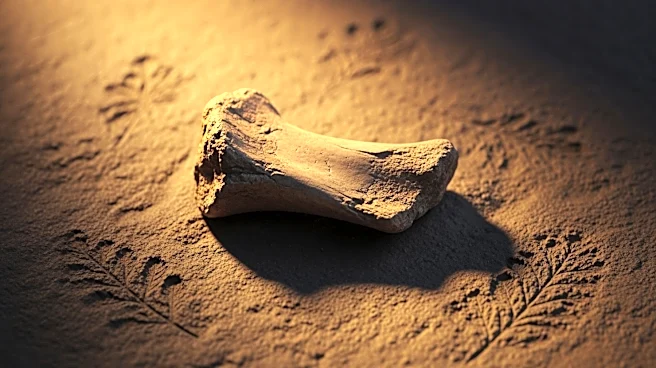









Africa is widely recognized as the birthplace of humanity, playing a pivotal role in the evolution of early humans and the development of ancient civilizations. This vast continent, with its diverse climates and landscapes, has been home to some of the earliest hominids and modern humans. From the emergence of Homo sapiens to the rise of ancient civilizations like Egypt, Africa's historical significance is profound and enduring.
The Cradle of Humanity
Africa's role as the
cradle of humanity is supported by extensive fossil evidence. Eastern Africa, in particular, is believed to be the origin of humans and the Hominidae clade, which includes the great apes. Fossils of early hominids, dating back around 7 million years, have been discovered in this region, providing crucial insights into human evolution. Modern humans, Homo sapiens, are thought to have originated in Africa between 350,000 and 260,000 years ago, marking a significant milestone in the evolutionary timeline.
The continent's diverse environments, ranging from savannas to rainforests, offered varied habitats that influenced the development of early human societies. These environments not only shaped the physical evolution of humans but also played a role in the cultural and technological advancements that followed. The adaptability of early humans to these diverse conditions laid the foundation for the complex societies that would later emerge.
Ancient Civilizations and Cultural Development
Africa's historical significance extends beyond its role in human evolution to the development of ancient civilizations. In the 4th and 3rd millennia BCE, civilizations such as Ancient Egypt, Kerma, and Punt emerged in North, East, and West Africa. These societies were characterized by their advancements in architecture, agriculture, and governance, contributing to the rich tapestry of human history.
The Bantu expansion, which occurred from 3000 BCE to 500 CE, further illustrates Africa's dynamic cultural landscape. This migration spread from modern-day Cameroon through Central, East, and Southern Africa, leading to the displacement or absorption of indigenous groups like the Khoisan and Pygmies. The Bantu expansion played a crucial role in shaping the linguistic and cultural diversity of the continent.
Africa's Enduring Legacy
Africa's legacy as the origin of humanity and a center of ancient civilizations continues to influence the world today. The continent's rich cultural heritage, encompassing art, music, and oral traditions, reflects the diversity and resilience of its people. Despite challenges such as colonialism and environmental issues, Africa remains a vibrant and influential part of the global community.
The African Union, established to unify and develop the continent, embodies the spirit of cooperation and progress that has characterized Africa's history. As the world continues to evolve, Africa's contributions to human civilization and its ongoing development efforts remain vital to understanding our shared past and future.