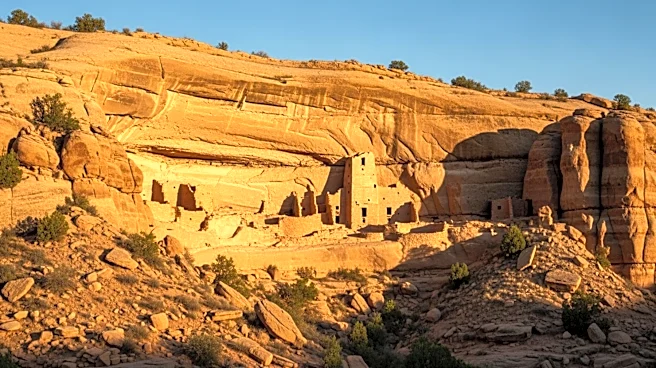



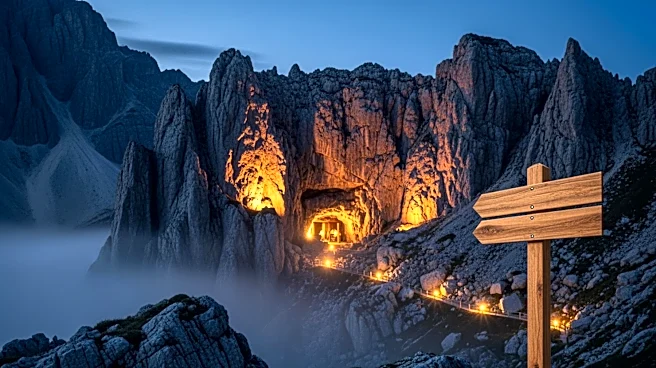


Mesa Verde National Park, located in Montezuma County, Colorado, is a testament to the rich history of the Ancestral Puebloan people. Established in 1906, the park was created to protect some of the best-preserved cliff dwellings in the world. As a UNESCO World Heritage Site, it covers 52,485 acres and features over 4,700 archaeological sites, including the famous Cliff Palace. This article delves into the historical significance of Mesa Verde, highlighting
its development and the cultural heritage it preserves.
Early Settlement and Development
The history of Mesa Verde National Park is deeply intertwined with the Ancestral Puebloan people, who are sometimes referred to as the Anasazi. These early inhabitants settled in the region over 600 years before the construction of the cliff dwellings. Known as the Basketmakers, they lived in pithouses and were primarily hunter-gatherers. Over time, they began farming and using the bow and arrow, which marked a significant advancement in their way of life.
By 750 AD, the Ancestral Puebloans had started building villages made of adobe on mesa tops. This period marked the beginning of a more settled lifestyle, as they constructed larger and more permanent structures. The development of these mesa-top villages laid the foundation for the later construction of the cliff dwellings, which would become the hallmark of Mesa Verde.
The Rise of Cliff Dwellings
The cliff dwellings for which Mesa Verde is renowned were built in the late 12th century. These structures were ingeniously constructed within caves and under outcroppings in the cliffs, providing both shelter and protection. The most famous of these is the Cliff Palace, believed to be the largest cliff dwelling in North America. The Spanish term "Mesa Verde" translates to "green table," reflecting the lush environment that supported the Ancestral Puebloans.
Approximately 600 of the over 4,700 archaeological sites in Mesa Verde National Park are cliff dwellings. These structures are a testament to the architectural ingenuity and adaptability of the Ancestral Puebloans. The cliff dwellings not only served as homes but also as communal spaces where the Puebloans could gather and engage in cultural and social activities.
Preservation and Recognition
Mesa Verde National Park was established on June 29, 1906, with the primary goal of preserving these remarkable archaeological sites. The park's designation as a UNESCO World Heritage Site in 1978 further underscores its global significance. Today, the park is managed by the National Park Service and continues to attract visitors from around the world, with over 613,788 visitors recorded in 2017.
The preservation of Mesa Verde is crucial for understanding the history and culture of the Ancestral Puebloans. The park serves as a living museum, offering insights into the lives of the people who once thrived in this region. Through ongoing conservation efforts, Mesa Verde National Park remains a vital link to the past, ensuring that future generations can appreciate and learn from this unique cultural heritage.