


Push-ups have long been a staple in physical training programs, particularly in military settings. Their simplicity and effectiveness make them a popular choice for building strength and endurance. Beyond their practical benefits, push-ups have also become a cultural symbol of discipline and fitness, featuring prominently in various challenges and competitions.
Push-Ups in Military Training
In military training, push-ups are a fundamental exercise used to build upper body strength
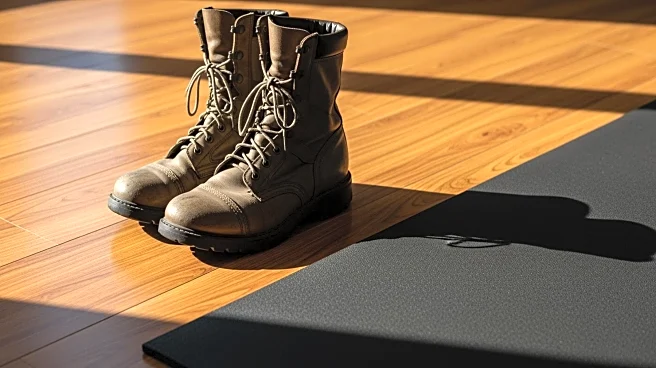
and endurance. They are often included in physical fitness tests and serve as a measure of a recruit's physical capabilities. The exercise's simplicity and lack of equipment make it ideal for training in various environments, from boot camps to field exercises.
Push-ups are also used as a form of discipline and punishment in military settings. Failing to complete a specified number of push-ups can be seen as a sign of weakness, and recruits may be required to perform additional repetitions as a consequence. This use of push-ups reinforces the values of perseverance and resilience, key traits in military culture.
Push-Ups in Popular Fitness Culture
Outside the military, push-ups have gained popularity in the fitness community as a versatile and effective exercise. They are often included in workout routines and fitness challenges, such as the 100 push-up challenge, where participants aim to complete 100 push-ups in a single session. These challenges promote camaraderie and motivation, encouraging individuals to push their limits.
Push-ups have also become a common feature in street workout competitions, where athletes showcase their strength and creativity through various push-up variations. These events highlight the exercise's adaptability and the impressive feats that can be achieved with dedication and practice.
The Symbolic Significance of Push-Ups
Beyond their physical benefits, push-ups hold symbolic significance in various contexts. They represent strength, discipline, and the ability to overcome challenges. In fitness culture, completing a high number of push-ups is often seen as a badge of honor, demonstrating one's commitment to health and fitness.
In recent years, push-ups have also been used to raise awareness for social causes. For example, the 22 push-up challenge aimed to raise awareness for veteran suicide prevention, with participants completing 22 push-ups daily for 22 days. This initiative highlights the exercise's role in promoting not only physical health but also social consciousness.
Overall, push-ups have transcended their role as a simple exercise, becoming a cultural icon in both military and civilian contexts. Their enduring popularity speaks to their effectiveness and the values they represent.