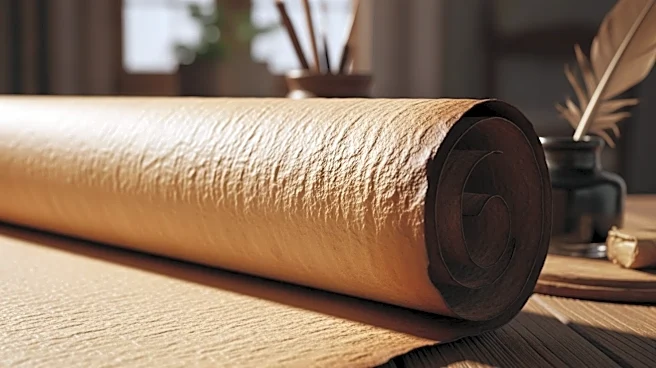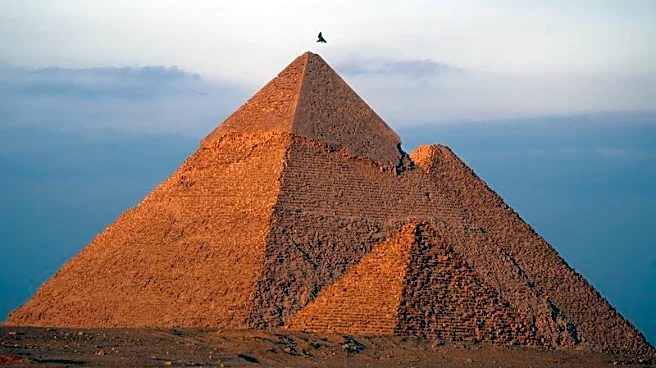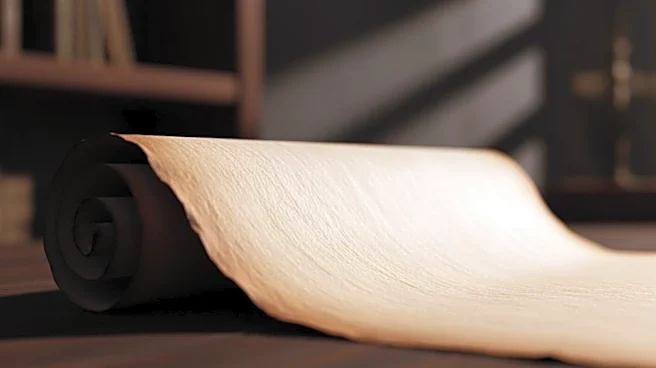






Papyrus, a material akin to thick paper, played a crucial role in ancient Egypt as a primary writing surface. Made from the pith of the papyrus plant, Cyperus papyrus, this material was not only used for writing but also for creating various everyday items. The process of making papyrus was intricate and required skill, reflecting the ingenuity of ancient Egyptian craftsmanship.
The Making of Papyrus
The production of papyrus began with the papyrus plant, a wetland sedge
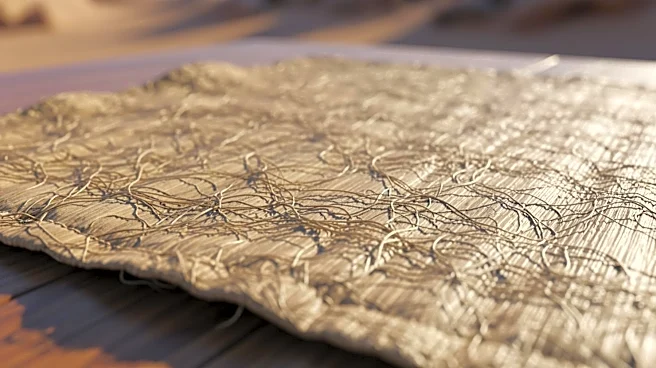
native to the Nile Delta. The plant's stem was the primary source of the material. To create papyrus sheets, the outer rind of the stem was removed to reveal the sticky, fibrous inner pith. This pith was then cut lengthwise into thin strips, each about 40 centimeters long. These strips were laid side by side on a hard surface, with their edges slightly overlapping.
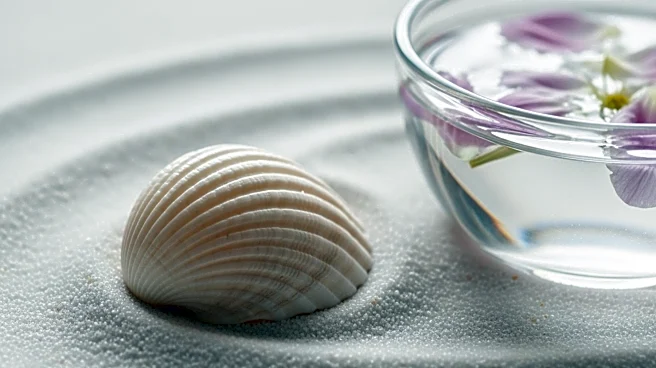
A second layer of strips was placed on top at right angles to the first. The strips might have been soaked in water to start decomposition, which could enhance adhesion, although this is not certain. The two layers were then hammered together while still moist, merging them into a single sheet. After drying under pressure, the sheet was polished with a rounded object, such as a stone or seashell, to create a smooth writing surface.
Uses and Importance of Papyrus
Papyrus was not only a writing material but also a versatile resource in ancient Egypt. It was used to make a variety of items, including reed boats, mats, rope, sandals, and baskets. The plant's utility extended beyond writing, showcasing its importance in daily life and various industries.
Documents written on papyrus, often rolled into scrolls, have provided invaluable insights into ancient Egyptian culture and knowledge. These documents include the only extant copy of Menander, the Egyptian Book of the Dead, and treatises on medicine and mathematics. The durability and availability of papyrus made it a preferred medium for recording important texts.
The Decline of Papyrus
Despite its widespread use, papyrus eventually faced competition from other writing materials. By the 4th century CE, parchment, made from animal skins, began to replace papyrus in West Asia and Europe. Parchment offered advantages such as higher durability in moist climates and the ability to write on both sides of the surface.
The decline of trade networks also limited the availability of papyrus outside Egypt, reducing its cost advantage. By the 12th century, papyrus was largely replaced by parchment and paper, although it remained an option in some regions. The transition marked the end of an era for papyrus, but its legacy as a cornerstone of ancient Egyptian culture endures.