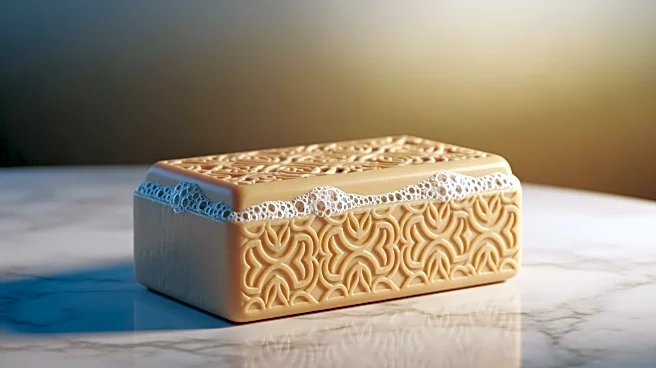




Soap has been a staple in human civilization for thousands of years, serving as a crucial tool for hygiene and cleanliness. Its journey from ancient Babylon to modern-day households reflects not only technological advancements but also cultural shifts. Beyond its practical uses, soap has found its way into popular culture, notably as the title of a 1970s American TV sitcom. This article explores the cultural significance of soap, tracing its evolution
from a simple cleaning agent to a symbol in media.
Historical Roots of Soap
The earliest evidence of soap-like materials dates back to ancient Babylon around 2800 BC. These early soaps were made by mixing fats and oils with a base, a process that has remained largely unchanged over millennia. Soap was used for washing and bathing, essential practices for maintaining hygiene. The production of soap-like substances was documented in Sumerian clay tablets around 2500 BC, indicating its importance in ancient societies.
In ancient Egypt, soap-like products were used not only for cleansing but also as medicinal remedies. The Ebers papyrus from 1550 BC describes the use of animal fats and vegetable oils combined with soda ash to create a soap-like substance. This highlights the dual role of soap in ancient cultures as both a cleanser and a therapeutic agent.
Soap in Modern Media
The term "soap" took on a new meaning in the 1970s with the American TV sitcom "Soap." This show was a parody of daytime soap operas, featuring melodramatic plotlines and comedic elements. It ran for four seasons on ABC, from 1977 to 1981, and was recognized for its innovative approach to television storytelling.
"Soap" the sitcom was listed as one of Time magazine's "100 Best TV Shows of All-Time" in 2007, demonstrating its lasting impact on American television. The show's format, which included serialized storytelling and satirical humor, influenced future TV productions and contributed to the evolution of the sitcom genre.
The Symbolic Role of Soap
Soap's role extends beyond its physical properties; it symbolizes cleanliness and purity. In media, soap operas have become synonymous with dramatic storytelling, often involving complex relationships and moral dilemmas. The use of soap in titles and themes reflects its cultural significance as a metaphor for cleansing and renewal.
In everyday life, soap remains a symbol of hygiene and health, underscoring its importance in public health campaigns and personal care routines. Its evolution from a basic cleanser to a cultural icon illustrates the dynamic relationship between practical tools and societal values.