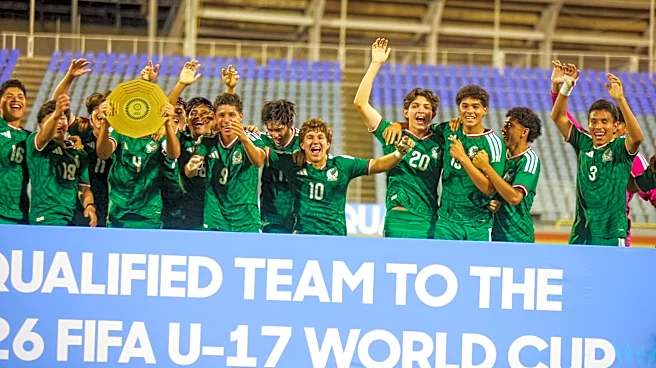





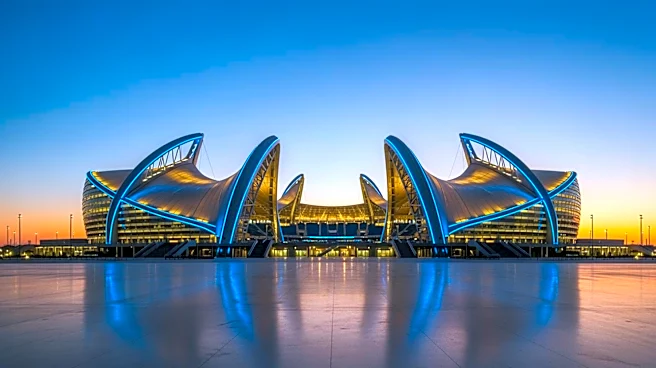

The 2026 FIFA U-17 World Cup, set to take place in Qatar, has been surrounded by a series of controversies that have sparked debate within the international football community. From the host selection process to ongoing human rights concerns, these issues have cast a shadow over the tournament. This article delves into the key controversies and criticisms that have emerged in the lead-up to the event.
Host Selection Process
The selection of Qatar as the host for the 2026
FIFA U-17 World Cup was part of a broader decision by FIFA to award the hosting rights for five consecutive editions to a single nation. This decision, announced in March 2024, was met with criticism from some member associations. Notably, the Danish Football Association accused FIFA of changing the format to a five-year package without clear communication, leaving potential bidders blindsided.
The lack of transparency in the host selection process has been a point of contention. While FIFA did not disclose whether other bids were considered, it is known that joint bids from Indonesia and Singapore, as well as Denmark, were submitted. The decision to grant Qatar the hosting rights has been perceived by some as a continuation of FIFA's controversial relationship with the nation.
Human Rights Concerns
Qatar's hosting of the 2026 FIFA U-17 World Cup has reignited concerns over human rights issues, particularly those related to migrant workers. These concerns are not new, having been prominently raised during Qatar's hosting of the 2022 FIFA World Cup. Organizations like Amnesty International and Human Rights Watch have criticized both FIFA and Qatar for failing to address the exploitation and deaths of migrant workers involved in the construction of World Cup infrastructure.
Despite international scrutiny, reports indicate that Qatar has not effectively investigated these issues or held responsible parties accountable. The ongoing human rights concerns have led to calls for greater accountability and transparency from both FIFA and the Qatari authorities.
Impact on FIFA's Reputation
The controversies surrounding the 2026 FIFA U-17 World Cup have implications for FIFA's reputation as the governing body of international football. The criticisms related to the host selection process and human rights issues have raised questions about FIFA's commitment to ethical practices and transparency.
As the tournament approaches, FIFA faces the challenge of addressing these controversies while ensuring the successful execution of the event. The organization's ability to navigate these issues will be crucial in shaping public perception and maintaining the integrity of international football. The 2026 FIFA U-17 World Cup serves as a reminder of the complex dynamics involved in hosting major sporting events and the need for accountability at all levels.