


Green tea is a diverse category of tea, with numerous varieties and processing methods that contribute to its unique flavors and aromas. From the delicate sencha of Japan to the robust gunpowder tea of China, each type of green tea offers a distinct experience. This article delves into the different varieties of green tea and the techniques used to process them.
Chinese Green Tea Varieties
China is the birthplace of green tea, and it boasts a wide array of varieties, each with
its own unique characteristics. Longjing, also known as Dragon Well tea, is one of the most famous Chinese green teas. Grown near Hangzhou in Zhejiang province, Longjing is known for its flat, sword-shaped leaves and sweet, nutty flavor. The tea is pan-fired, a traditional Chinese method that imparts a toasty aroma and prevents oxidation.
Another popular Chinese green tea is Biluochun, produced in Jiangsu province. This tea is named after its snail-like curled leaves and is known for its fruity and floral notes. Gunpowder tea, or Zhū chá, is another well-known variety, characterized by its tightly rolled leaves that resemble gunpowder pellets. This tea is often used in Moroccan mint tea, where it is blended with fresh mint leaves and sugar.
Japanese Green Tea Varieties
Japan is renowned for its green tea, with sencha being the most popular variety. Sencha is made from the upper leaves of the tea bush and is known for its fresh, grassy flavor. The leaves are steamed to prevent oxidation, then rolled and dried to create the characteristic needle-like shape. This steaming process gives Japanese green teas their vibrant green color and vegetal taste.
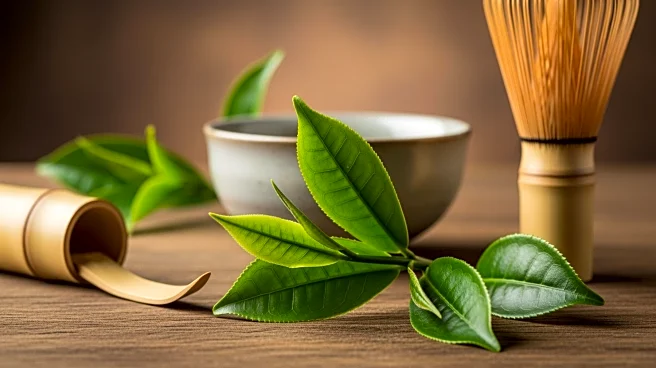
Matcha, another famous Japanese green tea, is made from shade-grown leaves that are ground into a fine powder. This tea is used in the traditional Japanese tea ceremony and is known for its rich umami flavor. Gyokuro, like matcha, is also shade-grown, resulting in a sweeter, more delicate taste. The shading process increases the chlorophyll content in the leaves, giving gyokuro its deep green color.
Processing Techniques
The processing of green tea is crucial in determining its flavor and aroma. In China, green tea leaves are typically pan-fired or sun-dried, methods that help preserve the tea's natural flavors while preventing oxidation. In contrast, Japanese green teas are primarily steamed, a technique that enhances the tea's grassy, vegetal notes.
After the initial processing, green tea leaves are rolled and shaped to create different forms, such as the flat leaves of Longjing or the curled leaves of Biluochun. The leaves are then dried to reduce moisture content and improve shelf life. The final step in processing is sorting and grading, where leaves are categorized based on size and quality.
The variety and processing of green tea offer a world of flavors and aromas to explore. Whether you prefer the nutty notes of Longjing or the umami richness of matcha, green tea provides a unique and enjoyable experience for tea lovers everywhere.