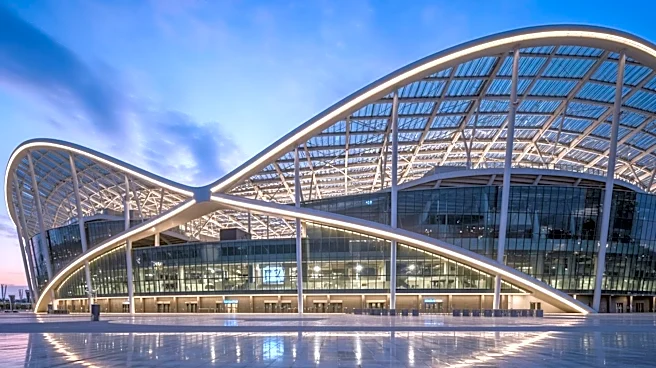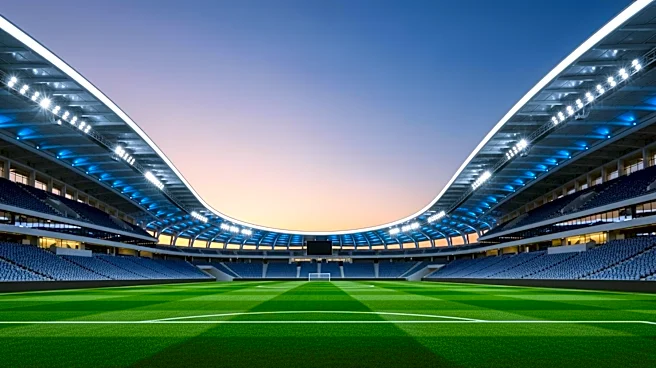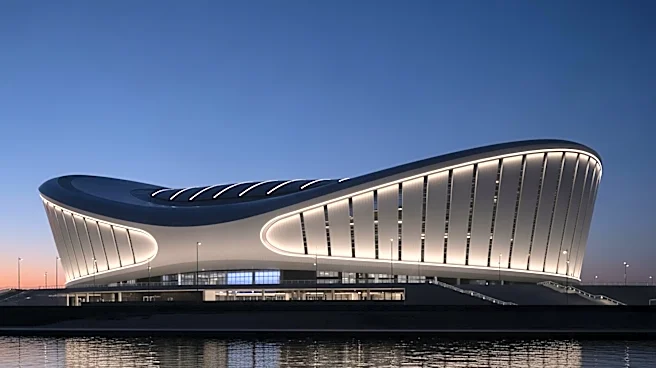




The Mordovia Arena stands as a testament to modern architectural design and cultural symbolism in Saransk, Russia. Built for the 2018 FIFA World Cup, this stadium not only hosted international football matches but also became a significant landmark in the city. With its unique design inspired by the sun, a central symbol in the myths and legends of the Mordvin people, the arena reflects both the cultural heritage and the contemporary aspirations of the region.
Architectural Design and Cultural Symbolism
The Mordovia Arena's design is deeply rooted in the cultural heritage of the Mordvin people. The stadium's architecture is based on the image of the sun, which is a prominent symbol in the ancient myths and legends of the region. This design choice not only pays homage to the local culture but also aims to project warmth and hospitality, qualities that are integral to the community's identity.
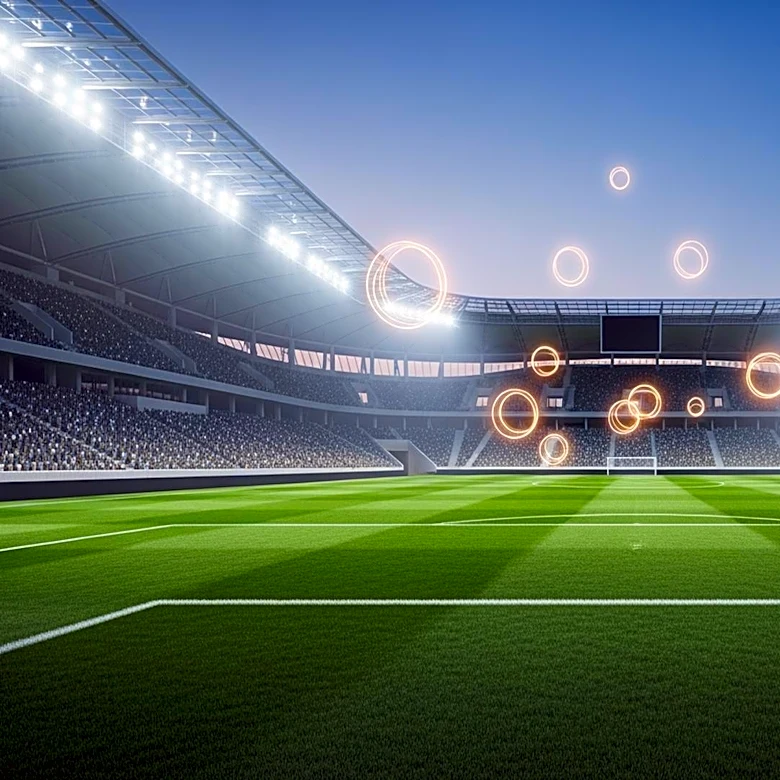
The stadium's structure features a bowl shape with acid orange seats, creating a vibrant and welcoming atmosphere. The use of brightly colored perforated and solid metal panels further enhances its visual appeal, making it a standout feature in Saransk's skyline. The design also includes a promenade with retail and leisure spaces, ensuring that the arena serves as a multifunctional venue beyond sporting events.
Construction and Urban Development
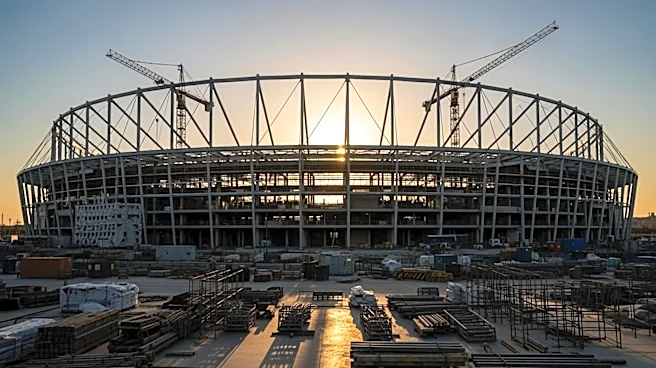
The construction of the Mordovia Arena was a significant urban development project for Saransk. The decision to build the stadium was made even before Russia's bid to host the FIFA World Cup was approved. Initially planned to be completed between 2010 and 2012, the project was delayed to meet FIFA's capacity requirements, eventually opening in 2018.
The development of the arena addressed several urban planning challenges in Saransk. It led to the creation of a new park, the development of the Insar River embankment, and the integration of a residential area with the city center. These improvements have not only enhanced the city's infrastructure but also provided new spaces for recreation and public festivities, contributing to the overall quality of life in Saransk.
Post-World Cup Legacy
After the 2018 FIFA World Cup, the Mordovia Arena was expected to become Saransk and Mordovia's largest sports and leisure center. The stadium's design allows for the upper stands to be dismantled, reducing its capacity to 30,000 and making it more suitable for local events. This adaptability ensures that the arena remains a vital part of the community, hosting various sports and cultural activities.
The Mordovia Arena's legacy extends beyond its role as a sports venue. It symbolizes the city's growth and modernization, reflecting Saransk's ambition to be a vibrant and culturally rich urban center. As a landmark, it continues to inspire pride among the residents and serves as a reminder of the city's successful hosting of a global event.