



The Apple II, launched in 1977, was not just a commercial success but also a technical marvel of its time. It introduced several innovations that set new standards in the personal computing industry. From its hardware design to its software capabilities, the Apple II was a testament to the ingenuity of its creators, particularly Steve Wozniak.
Hardware Design and Features
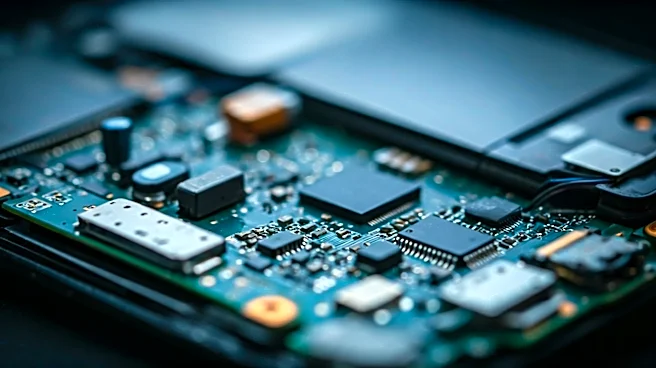
At the heart of the Apple II was the 8-bit MOS Technology 6502 microprocessor, which operated at a speed of 1.023
MHz. This processor was a key component in delivering the performance that set the Apple II apart from its competitors. The computer came with 4 KiB of RAM, expandable to 48 KiB, allowing users to enhance their system's capabilities as needed.
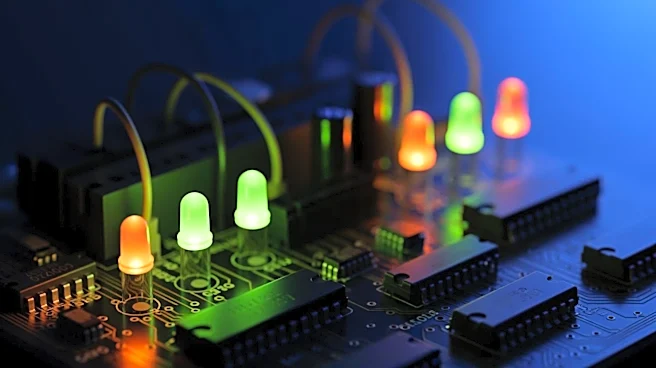
One of the most notable features of the Apple II was its ability to display color graphics. This was achieved through innovative engineering that took advantage of the NTSC television signal standard. The Apple II could display 24 lines by 40 columns of monochrome text, and its color graphics capability was a major selling point. This feature was so significant that it influenced the redesign of the Apple logo to include rainbow stripes, highlighting the computer's advanced graphics capabilities.
Software and Expandability
The Apple II was shipped with Integer BASIC in ROM, a programming language written by Wozniak himself. This allowed users to write their own software applications without needing additional development tools. The introduction of Applesoft BASIC, a more advanced variant, further expanded the computer's capabilities, supporting floating-point arithmetic and making it suitable for business applications.
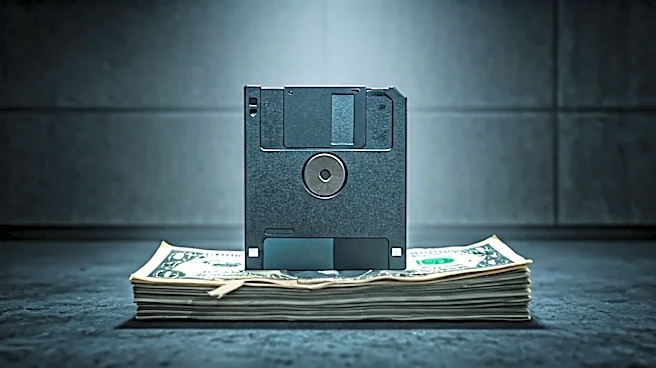
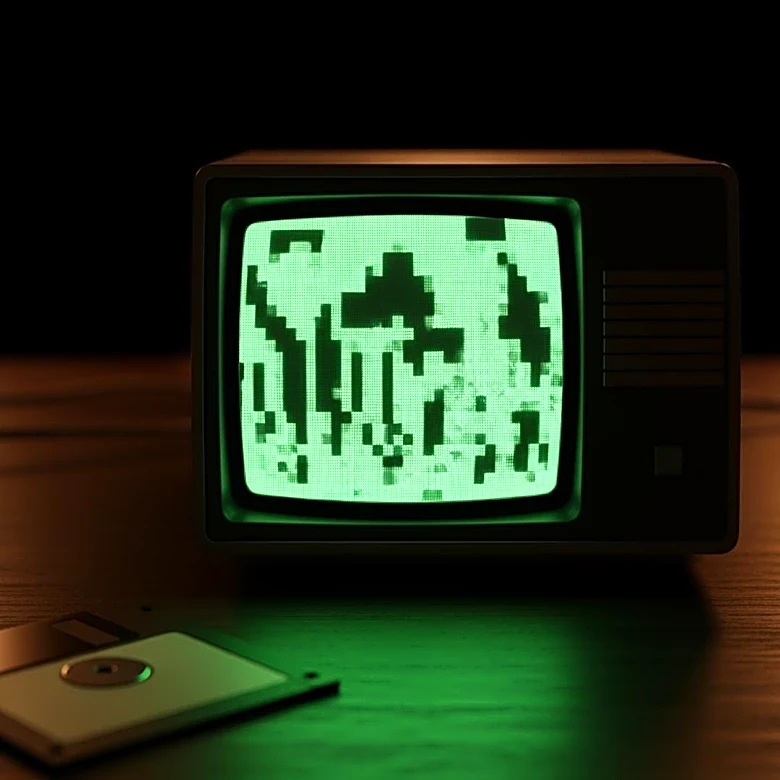
The computer's open architecture was another groundbreaking feature. It included eight expansion slots, allowing users to add third-party hardware to enhance the system's functionality. This flexibility encouraged a thriving ecosystem of peripherals and software, contributing to the Apple II's long-term success. The introduction of the Disk II floppy disk drive in 1978, designed by Wozniak, was another significant innovation, providing a more reliable and faster storage solution compared to cassette tapes.
Influence on Future Technologies
The Apple II's technical innovations had a lasting impact on the personal computing industry. Its open architecture and expandability set a precedent for future computer designs, encouraging innovation and customization. The success of the Apple II also demonstrated the importance of user-friendly design and accessibility, principles that continue to influence technology development today.
In summary, the Apple II was a pioneering product that combined technical innovation with practical design. Its influence can be seen in the evolution of personal computers and the development of new technologies that followed. The Apple II's legacy is a testament to the vision and creativity of its creators, who pushed the boundaries of what was possible in personal computing.