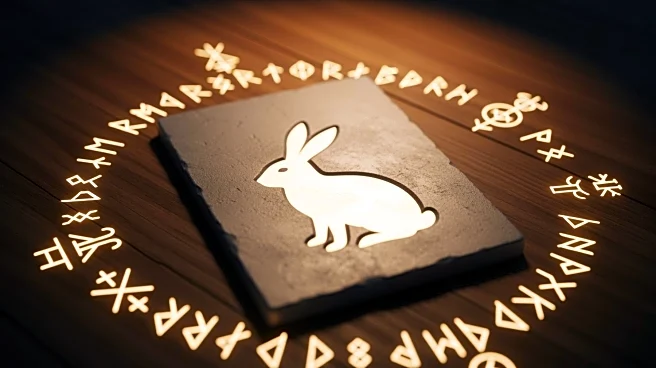

Rabbits have played significant roles in folklore and mythology across various cultures. These small mammals are often depicted as tricksters, symbols of fertility, or companions to deities. Their presence
in stories and myths highlights their cultural importance and the diverse meanings attributed to them.
Trickster Rabbits in Folklore
In many cultures, rabbits are portrayed as tricksters, using their cunning to outwit enemies. This archetype is prevalent in Central African folklore, where the common hare, known as Kalulu, is a trickster figure. Similarly, in Native American traditions, the rabbit often appears as a clever and mischievous character.
The trickster rabbit is a symbol of intelligence and resourcefulness. These stories often depict the rabbit overcoming challenges through wit rather than strength, highlighting the value of cleverness. This portrayal of rabbits as tricksters reflects cultural values that prize intelligence and adaptability.
Rabbits in Mythological Symbolism
Rabbits are also associated with various mythological symbols, such as the moon and fertility. In Aztec mythology, rabbits are linked to the moon and are part of a pantheon of gods representing fertility and abundance. This connection to the moon is also seen in Chinese folklore, where the rabbit is a companion to the Moon goddess Chang'e.
The association of rabbits with the moon and fertility underscores their role as symbols of life and renewal. These mythological connections highlight the rabbit's significance in cultural narratives, where they are often seen as creatures of mystery and magic.
Rabbits as Companions to Deities
In some mythologies, rabbits are depicted as companions to deities, further emphasizing their cultural importance. In Chinese folklore, the rabbit is a companion to the Moon goddess, assisting her in creating the elixir of life. This role as a divine companion elevates the rabbit's status in cultural stories, portraying it as a creature of wisdom and power.
The presence of rabbits alongside deities reflects their symbolic role as intermediaries between the divine and the mortal world. This portrayal highlights the rabbit's significance in cultural narratives, where they are seen as creatures that bridge the gap between humans and the divine.
Rabbits continue to be important figures in folklore and mythology, symbolizing themes of cunning, fertility, and divinity. Their enduring presence in cultural stories highlights their significance as symbols of life, intelligence, and mystery, making them timeless characters in human narratives.