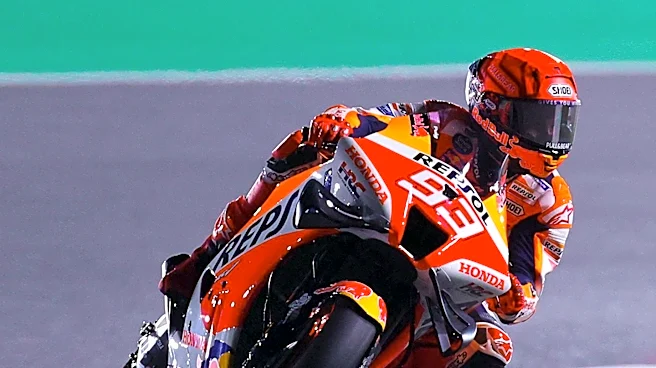






Grand Prix motorcycle racing has a rich history that dates back to 1949, making it the oldest motorsport world championship. Over the years, it has evolved significantly, adapting to technological advancements and changing regulations. This article explores the historical development of Grand Prix motorcycle racing, highlighting key changes and milestones that have shaped the sport into what it is today.
The Early Years and Establishment
Grand Prix motorcycle racing was established
in 1949 by the Fédération Internationale de Motocyclisme (FIM). It began as a premier championship of motorcycle road racing, initially featuring several classes, including the 500cc, which was the top class at the time. The early years of the championship were marked by the dominance of European riders and manufacturers, with the inaugural championship won by Leslie Graham.
During this period, the motorcycles used in the races were purpose-built for the sport, emphasizing speed and performance. These machines were not available for purchase by the general public, as they could not be legally ridden on public roads. The focus was on creating high-performance racing machines that could compete at the highest levels of the sport.
Changes in Classes and Regulations
As the sport grew in popularity, changes in classes and regulations were introduced to keep up with technological advancements and to ensure competitive balance. The 500cc class, which was the premier class, allowed for a maximum of four cylinders, regardless of whether the engine was a two-stroke or four-stroke. This regulation remained in place from the mid-1970s until 2002.
In 2002, significant rule changes were introduced to phase out two-stroke engines, marking a pivotal moment in the sport's history. This shift was part of a broader trend towards more environmentally friendly and efficient engines. The introduction of new classes, such as Moto2 and Moto3, further diversified the competition, allowing for a wider range of manufacturers and riders to participate.
Modern Era and Global Expansion
The modern era of Grand Prix motorcycle racing has seen the sport expand globally, with races held in various countries around the world. The introduction of new circuits and the inclusion of more diverse rider nationalities have contributed to the sport's growing international appeal. Italian riders have historically been the most successful, winning a total of twenty-two championships, followed by riders from Great Britain and the United States.
The sport has also seen the rise of legendary riders, such as Giacomo Agostini, who holds the record for the most championships in the premier class, and Marc Márquez, the youngest champion in the sport's history. These riders have become icons in the world of motorsport, inspiring new generations of competitors.
Grand Prix motorcycle racing continues to evolve, with ongoing innovations in technology and changes in regulations ensuring that the sport remains at the forefront of motorcycle racing. Its rich history and dynamic nature make it a fascinating subject for motorsport enthusiasts around the world.