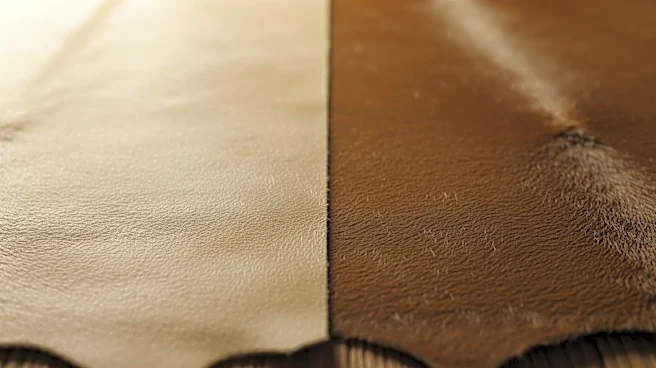

Vellum and parchment are terms often used interchangeably, yet they refer to distinct materials with unique characteristics. Both are made from animal skins and have been used historically for writing
and art. This article explores the differences between vellum and parchment, shedding light on their specific qualities and uses.
Defining Vellum and Parchment
Vellum is a high-quality writing material made from calfskin. It is known for its smooth texture and durability, making it ideal for important documents and artistic works. The term vellum is derived from the Old French word "vélin," meaning calfskin. Historically, vellum was considered superior to parchment due to its finer quality and was often used for illuminated manuscripts and legal documents.
Parchment, on the other hand, is a broader term that refers to writing materials made from the skins of various animals, including sheep, goats, and calves. Unlike vellum, parchment is not limited to calfskin and can vary in quality. It is generally thicker and less refined than vellum, which can affect its texture and appearance. Despite these differences, both materials have been used interchangeably in historical contexts.
The Making Process
The process of making vellum and parchment is similar, involving the cleaning, stretching, and drying of animal skins. However, the choice of animal and the quality of the skin can significantly impact the final product. Vellum, being made from calfskin, tends to have a finer grain and smoother surface, which is why it was often preferred for high-quality manuscripts.
Parchment, made from a variety of animal skins, can have a more varied texture. The skin is soaked in lime to remove hair and then stretched on a frame to dry. It is scraped with a lunellum to achieve the desired thickness. The final product is treated with chalk or lime to prepare it for writing. Despite the similarities in production, the choice of skin and the level of refinement distinguish vellum from parchment.
Uses and Legacy
Both vellum and parchment have played significant roles in history as mediums for writing and art. Vellum was often reserved for important documents, such as the Magna Carta, due to its durability and quality. Parchment, being more readily available, was used for a wider range of documents, including books and legal texts.
Today, the use of traditional vellum and parchment has declined with the advent of modern paper. However, their legacy continues in the art world, where vellum is still valued for its smooth surface and aesthetic appeal. Modern vellum paper, made from plant fibers, mimics the qualities of traditional vellum and is used in various artistic and design applications. The distinction between vellum and parchment remains an important part of understanding historical documents and their preservation.