
Sustainable fashion has emerged as a significant movement within the fashion industry, aiming to reduce environmental impacts and promote ethical practices. This article explores the historical development
of sustainable fashion, highlighting key milestones and the evolution of practices that have shaped the industry today. From its early beginnings to the present, sustainable fashion has undergone significant changes, driven by a growing awareness of environmental and social issues.
Early Beginnings and Influences
The concept of sustainable fashion began to take shape in the early 1990s, coinciding with the 1992 United Nations Conference on Environment and Development, also known as the Rio Earth Summit. During this time, 'green issues' started to appear in fashion and textile publications, with companies like Patagonia and ESPRIT leading the way. These companies recognized that exponential growth and consumption were not sustainable, prompting them to commission research into the impact of fibers used in their products.
In 1992, ESPRIT launched its e-collection, developed by head designer Lynda Grose, marking a significant step towards sustainable fashion. This period also saw the beginning of research around sustainable fashion, focusing on improving the efficiency of existing operations and exploring new materials and processes.
Key Milestones in Sustainable Fashion
One of the significant milestones in sustainable fashion was the introduction of the Registration, Evaluation, Authorization, and Restriction of Chemicals (REACH) regulations by the European Union in 2007. These regulations required clothing manufacturers and importers to identify and quantify the chemicals used in their products, promoting transparency and safety in the industry.
In 2012, the world's largest summit on fashion sustainability was held in Copenhagen, gathering over 1,000 key stakeholders in the industry. This event highlighted the growing importance of sustainable practices and led to the launch of the Sustainable Apparel Coalition's Higg Index, a self-assessment standard for the apparel and footwear industries.
Recent Developments and Future Directions
In recent years, sustainable fashion has continued to evolve, with a focus on circular models and zero-waste design. The concept of circular fashion involves creating closed-loop systems where clothing items are designed, produced, used, and then recycled or repurposed to minimize waste and environmental impact.
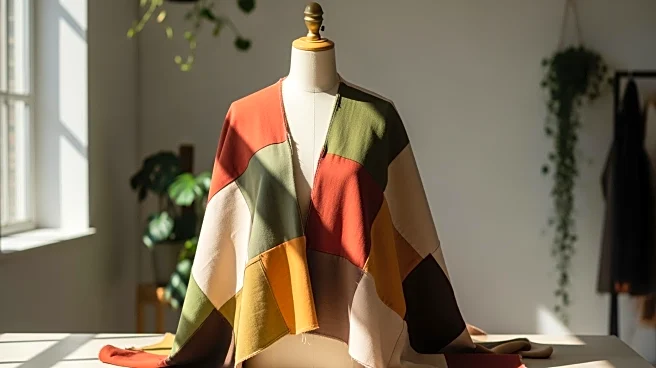
Zero-waste design, which aims to reduce material waste throughout the production process, has gained traction as a sustainable practice. This approach involves designing patterns for garments so that no fabric is wasted when the pieces are cut. As sustainable fashion continues to develop, it is likely to incorporate more innovative practices and technologies, further reducing its environmental footprint and promoting ethical standards in the industry.