

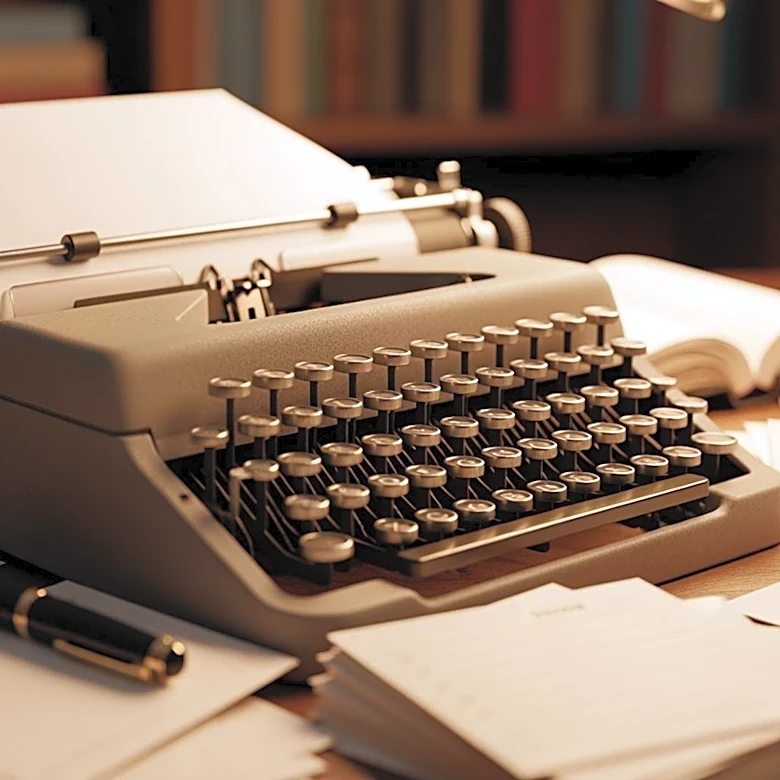
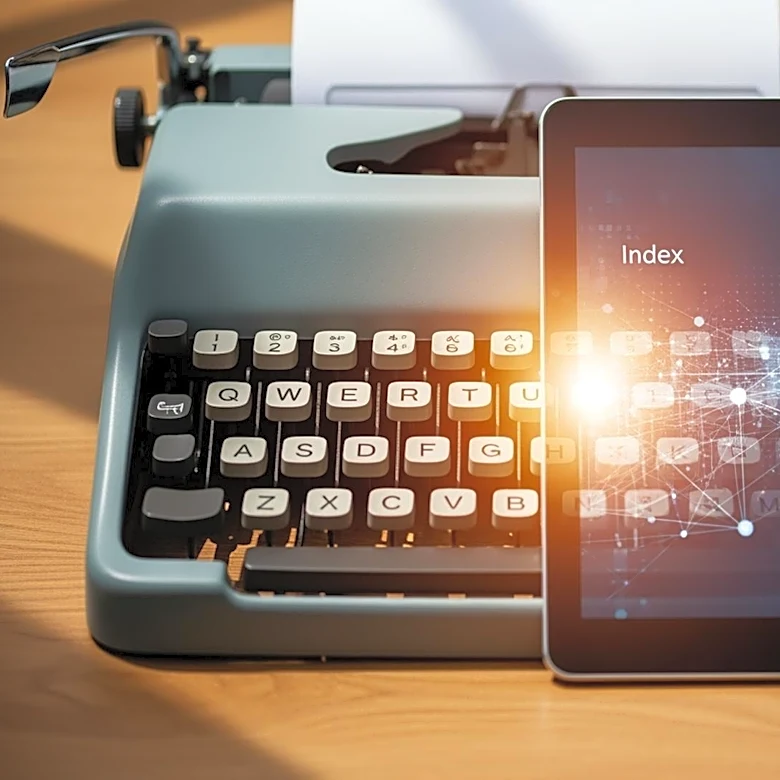




Textbooks have been a cornerstone of education for centuries, evolving significantly from their early beginnings. This article explores the historical journey of textbooks, tracing their development from ancient civilizations to the modern digital era. By understanding this evolution, we can appreciate the role textbooks have played in shaping education and how they continue to adapt to technological advancements.
Ancient Beginnings
The history of textbooks dates back
to ancient civilizations, where educational texts were first created. The Ancient Greeks, for instance, wrote educational materials that served as the foundation for learning. These early texts were often recited aloud, as the technology of writing was still in its infancy. The Greek philosopher Socrates expressed concern over the shift from oral tradition to written texts, fearing it would weaken the Greeks' ability to memorize and retell stories. Ironically, we know of Socrates' concerns because they were documented by his student Plato.
The invention of the printing press in the 15th century marked a significant turning point in the history of textbooks. Johannes Gutenberg's development of movable type allowed for the mass production of texts, making educational materials more accessible. Although the Gutenberg Bible was expensive, the spread of printed books across Europe in the following decades made textbooks more widely available and affordable.
The Rise of Modern Textbooks
The modern era saw a significant increase in the production and use of textbooks, particularly with the growth of compulsory education in Europe. Textbooks became the primary teaching tool for children, with notable examples like the New England Primer and McGuffey Readers playing a crucial role in U.S. education. These books were designed to meet the needs of educators and learners, providing a structured approach to teaching various subjects.
As education systems expanded, so did the demand for textbooks. The 19th century saw the rise of textbooks as essential educational resources, with publishers producing a wide range of materials to cater to different subjects and age groups. This period also witnessed the standardization of curricula, further solidifying the textbook's role in education.
The Digital Revolution
In recent years, technological advancements have transformed the way textbooks are produced and consumed. The rise of digital formats has made it easier for students to access educational materials beyond traditional print textbooks. E-books, online tutoring systems, and video lectures have become increasingly popular, offering students more flexible and interactive learning experiences.
Open textbooks, which are freely available online, have emerged as a cost-effective alternative to traditional textbooks. These resources offer significant savings for students while meeting the needs of educators. As digital technology continues to evolve, textbooks are likely to undergo further transformations, adapting to the changing landscape of education and ensuring that learning remains accessible to all.