




Cast iron, a versatile iron-carbon alloy, has played a significant role in human history, evolving from ancient weaponry to modern industrial applications. Its journey began in China around the 8th century BC, where it was used to mass-produce tools and weapons. Over the centuries, cast iron has undergone numerous transformations, adapting to the needs of different eras and regions. This article delves into the historical milestones of cast iron, highlighting
its impact on industry and architecture.
Ancient Beginnings
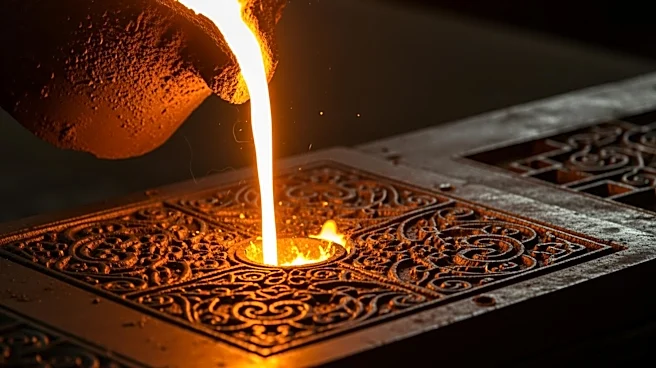
The earliest known use of cast iron dates back to the 8th century BC in Jiangsu, China. Archaeologists discovered artifacts from this period, indicating that cast iron was used for weaponry and agricultural tools. The Chinese developed techniques to pour molten iron into molds, creating complex shapes that were difficult to achieve with other metalworking methods. This innovation allowed for the mass production of items, making cast iron a crucial material in ancient Chinese society.
During the Warring States period, cast iron was further refined and used in various applications, including architecture. The ability to produce large quantities of cast iron made it an essential material for building and warfare. Although steel was more desirable for its strength, cast iron was cheaper and more accessible, leading to its widespread use.
European Adoption
Cast iron technology eventually spread to Europe, where it was first used for cannons and shot in the 15th century. The large-scale production required for these military applications marked a significant shift in the use of cast iron. In England, cast iron became a staple for armament production, with Henry VIII initiating the casting of cannons.
The Industrial Revolution further propelled the use of cast iron, particularly in machinery and construction. Abraham Darby III's Iron Bridge, built in the 1770s, showcased the structural capabilities of cast iron. This period saw the material being used in buildings, bridges, and various industrial applications, solidifying its place in modern industry.
Modern Applications
Today, cast iron is used in a wide range of applications, from automotive parts to cookware. Its properties, such as resistance to wear and deformation, make it ideal for pipes, machines, and engine components. Despite its brittleness, cast iron remains a popular choice due to its durability and cost-effectiveness.
The evolution of cast iron reflects the changing needs of society, adapting to technological advancements and industrial demands. From ancient China to modern industry, cast iron has proven to be a resilient and versatile material, continuing to play a vital role in various sectors.