





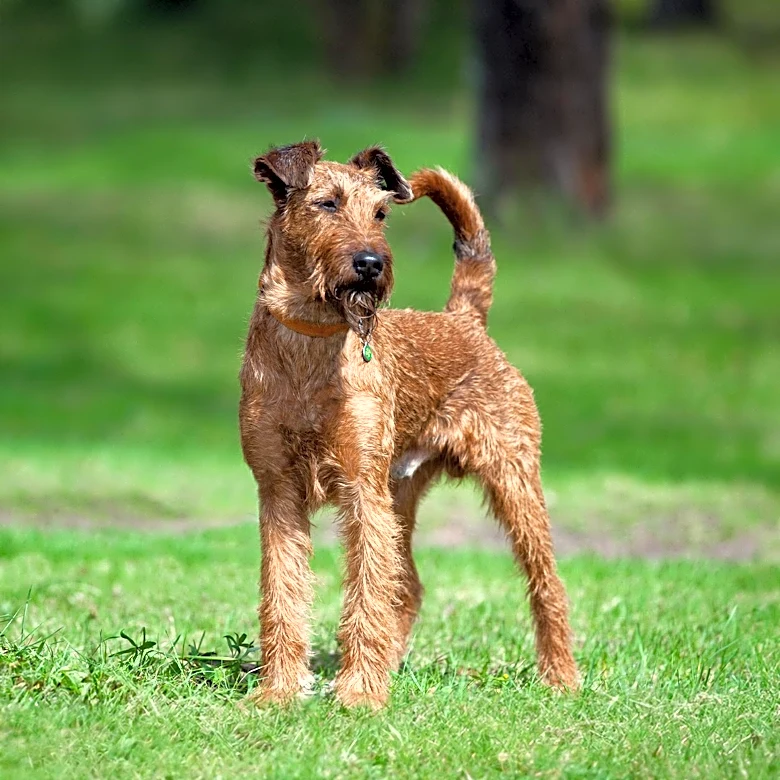





The Keeshond, a medium-sized dog breed from the Netherlands, has a rich history that intertwines with political and social changes in Europe. Known for its friendly demeanor and distinctive double coat, the Keeshond's journey from a symbol of political rebellion to a beloved family pet is a fascinating tale. This article delves into the historical development of the Keeshond, highlighting key milestones and transformations over the centuries.
Origins and Early History
The Keeshond's
story begins in the Netherlands, where it was commonly seen on barges traveling the canals and rivers. This earned it the nickname "Dutch Barge Dog." The breed's association with the Patriot faction in the Netherlands during the political unrest preceding the French Revolution is a significant chapter in its history. The Keeshond became a symbol of the Patriots, who opposed the ruling House of Orange. This political affiliation nearly led to the breed's extinction when the House of Orange regained power.
In the late 19th century, the Keeshond's fortunes began to change. The breed was developed in England from imports obtained in both the Netherlands and Germany. This period marked the beginning of the Keeshond's transformation from a political symbol to a recognized dog breed. The breed's development in England laid the groundwork for its eventual recognition by major kennel clubs.
Recognition and Revival
The Keeshond's journey to recognition was not without challenges. In 1930, the breed was first registered with the American Kennel Club (AKC), marking a significant milestone in its history. This recognition was the result of efforts by enthusiasts who worked tirelessly to promote the breed and ensure its survival.
The breed's revival in England played a crucial role in its recognition. The Dutch Barge Dog Club of England, formed in 1925, was instrumental in promoting the Keeshond. The club's efforts culminated in the breed's acceptance by the British Kennel Club in 1926, under the name Keeshond. This recognition helped solidify the breed's status and ensured its continued development.
Modern Developments
Today, the Keeshond is known for its friendly nature and distinctive appearance. The breed's history as a symbol of political rebellion has given way to its role as a beloved family pet. The Keeshond's journey from near extinction to recognition by major kennel clubs is a testament to the dedication of its enthusiasts.
The breed's modern development has been shaped by its historical roots. The Keeshond's association with the German Spitz family highlights its shared ancestry with other spitz-type dogs. This connection has influenced the breed's characteristics and contributed to its popularity as a companion animal.
In conclusion, the Keeshond's historical journey is a story of resilience and transformation. From its origins as a political symbol to its recognition as a beloved breed, the Keeshond's history is a testament to the enduring appeal of this charming dog.