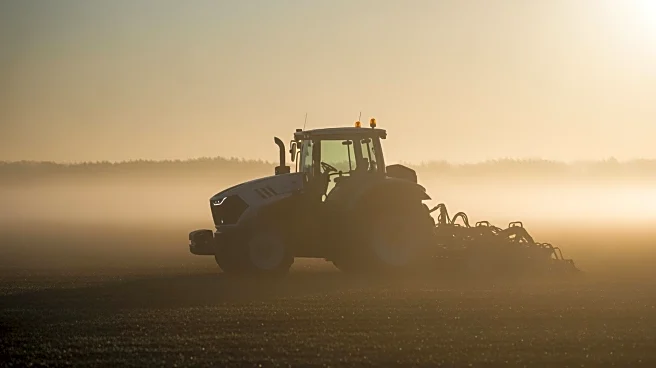




Driverless tractors are a groundbreaking innovation in agriculture, but their adoption is not without challenges. Safety concerns and public acceptance issues have sparked debates about the viability of these autonomous vehicles. As technology continues to evolve, addressing these concerns is crucial for the widespread implementation of driverless tractors.
Safety Concerns in Autonomous Farming
The operation of driverless tractors without a human driver raises significant safety concerns.
These vehicles must navigate fields independently, avoiding obstacles such as people, animals, and other machinery. To ensure safe operation, driverless tractors are equipped with sensors that detect objects in their path, allowing them to stop or change direction as needed.
Despite these safety features, the potential for accidents remains a concern. Creating technology that can handle all possible scenarios requires extensive programming and testing. Manufacturers must ensure that driverless tractors can operate safely in various conditions, from uneven terrain to adverse weather. As the technology advances, continuous improvements are necessary to enhance safety and reliability.
Public Acceptance and Controversies
The introduction of driverless tractors has sparked controversy among farmers and the general public. The idea of a tractor operating without a driver makes some people uneasy, raising questions about the reliability and trustworthiness of autonomous technology. Public acceptance is a critical factor in the successful adoption of driverless tractors.
To address these concerns, manufacturers are focusing on transparency and education. By demonstrating the capabilities and safety features of driverless tractors, they aim to build trust and confidence among potential users. Additionally, involving farmers in the development process can help ensure that the technology meets their needs and expectations.
Moving Forward: Balancing Innovation and Safety
As driverless tractors continue to evolve, balancing innovation with safety is essential. Manufacturers must prioritize the development of robust safety systems while advancing the capabilities of these vehicles. Collaboration between technology developers, farmers, and regulatory agencies can facilitate the creation of standards and guidelines for safe operation.
Looking ahead, driverless tractors have the potential to transform agriculture by increasing efficiency and reducing labor costs. However, addressing safety concerns and gaining public acceptance are crucial steps in realizing this potential. By focusing on these issues, the agricultural industry can pave the way for a future where driverless tractors are a trusted and integral part of farming operations.