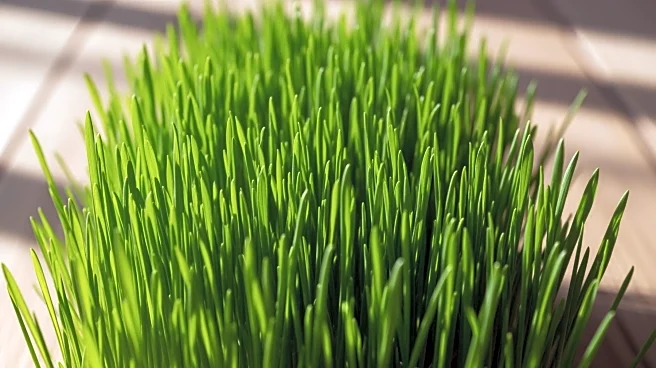




Wheatgrass, derived from the freshly sprouted leaves of the common wheat plant, is often touted for its nutritional benefits. While it contains various vitamins and minerals, the scientific evidence supporting its health claims is limited. This article delves into the nutritional components of wheatgrass and the methods used to prepare it for consumption.
Nutritional Components
Wheatgrass is a source of several essential nutrients, including potassium, dietary fiber, and
vitamins A, C, E, and K. It also contains thiamin, riboflavin, niacin, vitamin B6, pantothenic acid, iron, zinc, copper, manganese, and selenium. In powder form, wheatgrass provides 8 grams of protein per ounce, while a "shot" of juice contains around 1 gram.
The protein content in wheatgrass consists of at least 17 forms of amino acids, including eight out of nine essential amino acids. However, wheatgrass does not contain vitamin B12, as this vitamin is not produced by plants but by microorganisms living on them. Despite claims of B12 presence in wheatgrass, reliable sources do not support this.
Preparation Methods
Wheatgrass juice is typically cold-pressed from 7-9-day-old shoots, harvested before jointing when chlorophyll, antioxidant enzymes, vitamin C, and phenolics peak. The grass should be washed with potable water and cold-pressed, not blended or heated, to avoid oxidation and enzyme loss. Fresh juice should be consumed within 10-15 minutes to maintain its nutritional quality.
When fresh juice is impractical, frozen fresh juice or low-temperature dehydrated powder is acceptable, retaining partial nutrients. Studies emphasize the importance of hygienic cultivation, pesticide-free medium, and microbial and heavy-metal testing for safety.
Commercial Availability
Wheatgrass juice is often available at juice bars, and some people grow and juice their own at home. It is sold fresh as produce, in tablets, frozen juice, and powder. Additionally, wheatgrass is marketed as a spray, cream, gel, massage lotion, and liquid herbal supplement.
Despite its availability and nutritional components, wheatgrass lacks scientific evidence to support many of its health claims. As consumers seek nutrient-rich foods, understanding the preparation and nutritional content of wheatgrass can help make informed dietary choices.