



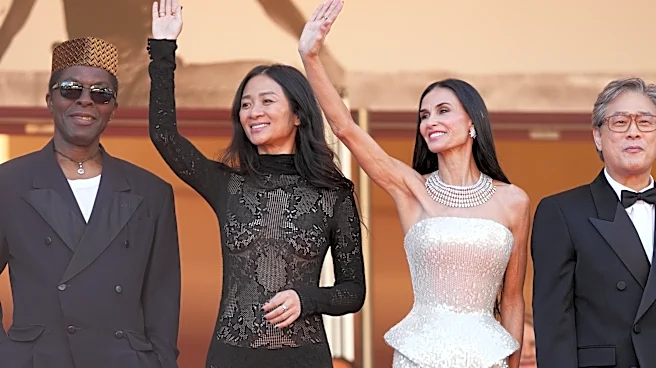


The Cannes Film Festival Award for Best Screenplay is not only a celebration of exceptional writing but also a showcase of cultural and international diversity. Since its inception, the award has recognized screenwriters from various backgrounds, highlighting the rich tapestry of global cinema. This article explores the diverse array of winners and the cultural significance of their contributions to the film industry.
A Global Stage for Storytelling
The Cannes Film Festival Award
for Best Screenplay has consistently honored screenwriters from around the world, reflecting the festival's commitment to celebrating international cinema. From its early years, the award has been a platform for diverse voices, showcasing stories that resonate with audiences across different cultures. This global perspective is evident in the variety of films and screenwriters that have been recognized over the decades.
For instance, Mei Feng, a Chinese screenwriter, won the award in 2009 for "Spring Fever," a film that explores themes of love and identity. This recognition highlights the festival's role in bringing attention to narratives that might otherwise remain underrepresented. Similarly, screenwriters from countries such as Iran, South Korea, and Romania have been celebrated for their unique storytelling approaches, contributing to the festival's reputation as a melting pot of cinematic creativity.
Cultural Impact and Recognition
The diversity of winners of the Cannes Film Festival Award for Best Screenplay underscores the cultural impact of the festival. By honoring screenwriters from various backgrounds, the award promotes cross-cultural understanding and appreciation. Films like "The Salesman" by Asghar Farhadi, which won the award in 2016, offer insights into different societal norms and challenges, fostering dialogue and empathy among audiences.
Moreover, the award has played a significant role in elevating the profiles of screenwriters on the international stage. Winning the Cannes Film Festival Award for Best Screenplay often leads to further recognition, including nominations for other prestigious awards such as the Academy Awards. This trajectory not only benefits the screenwriters but also enriches the global film industry by introducing diverse narratives to wider audiences.
The Future of Diverse Storytelling
As the Cannes Film Festival continues to evolve, the Best Screenplay Award remains a beacon of diversity and innovation. The most recent winners, Jean-Pierre and Luc Dardenne, for their film "Young Mothers," exemplify the festival's ongoing commitment to celebrating unique voices and perspectives. This dedication ensures that the art of screenwriting continues to thrive, with new stories emerging from different corners of the world.
In conclusion, the Cannes Film Festival Award for Best Screenplay is more than just a recognition of writing excellence; it is a celebration of the diverse narratives that shape our understanding of the world. By honoring screenwriters from various cultural backgrounds, the award fosters a richer, more inclusive cinematic landscape, paving the way for future generations of storytellers.