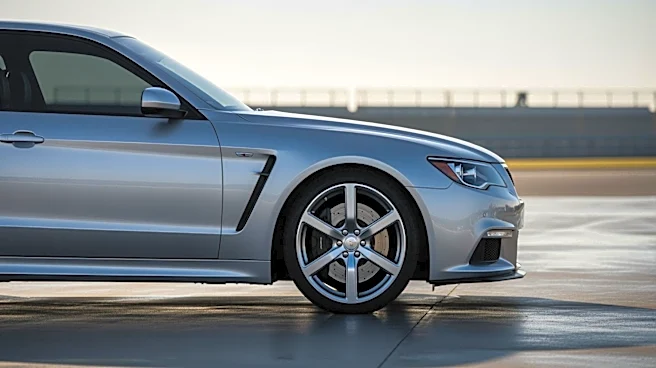

Since its inception in 1998, the Lexus IS has been synonymous with performance and engineering excellence. As a compact executive car, the IS has consistently delivered a driving experience that combines
luxury with sportiness. This article delves into the performance-driven legacy of the Lexus IS, highlighting the engineering innovations and features that have defined its reputation over the years.
The Foundation of Performance: First Generation
The first-generation Lexus IS, introduced as the Toyota Altezza in Japan, set the stage for the model's performance-oriented identity. Launched in 1998, the XE10 series was designed to compete with European luxury sports sedans, emphasizing performance and handling. The engineering team, led by Nobuaki Katayama, focused on creating a vehicle that offered a dynamic driving experience.
The first-generation IS was powered by a range of engines, including the 2.0-liter 1G-FE straight-six and the 2.0-liter 3S-GE straight-four, with options for manual and automatic transmissions. The IS 300 model, introduced in North America, featured a 3.0-liter 2JZ-GE engine, known for its smooth power delivery and reliability. The combination of rear-wheel drive and a well-tuned suspension system contributed to the IS's reputation for agile handling and driving pleasure.
Expanding the Performance Envelope: Second Generation
With the introduction of the second-generation IS in 2005, Lexus expanded the performance capabilities of the model. The XE20 series offered a range of powertrains, including the V6-powered IS 250 and IS 350, as well as the high-performance IS F model. The IS F, in particular, showcased Lexus's commitment to performance, featuring a 5.0-liter V8 engine that produced 416 horsepower and could accelerate from 0 to 60 mph in just 4.2 seconds.
The second-generation IS also introduced advanced engineering features, such as the Adaptive Variable Suspension and Vehicle Dynamics Integrated Management system, which enhanced handling and stability. The IS F model further distinguished itself with performance-oriented upgrades, including larger brakes, a sport-tuned suspension, and a unique exhaust system that delivered a distinctive engine note.
Embracing Technology: Third Generation
The third-generation Lexus IS, launched in 2013, continued to build on the model's performance legacy by incorporating cutting-edge technology and engineering innovations. The introduction of the F Sport variants marked a significant step forward, offering enhanced handling and styling that appealed to driving enthusiasts.
The F Sport models featured Adaptive Variable Suspension and Variable Gear Ratio Steering, which allowed for precise control and responsiveness. These models also included performance-tuned components, such as sport seats and a unique front grille design, which set them apart from the standard IS models. The third-generation IS also offered a range of powertrains, including a turbocharged engine and a hybrid option, providing a balance of performance and efficiency.
The Future of Performance
As the Lexus IS continues to evolve, its commitment to performance remains unwavering. With each generation, Lexus has pushed the boundaries of engineering and design to deliver a driving experience that is both exhilarating and refined. As the automotive industry moves towards electrification and advanced driver-assistance technologies, the future of the Lexus IS promises to be as dynamic and performance-driven as its past.
In conclusion, the Lexus IS has established itself as a leader in the compact executive car segment, thanks to its focus on performance and engineering excellence. From its early days as the Toyota Altezza to its current status as a technologically advanced luxury vehicle, the IS has consistently delivered a driving experience that appeals to enthusiasts and luxury car buyers alike. As Lexus continues to innovate and refine its offerings, the IS is poised to remain a standout choice for those seeking a performance-driven luxury sedan.