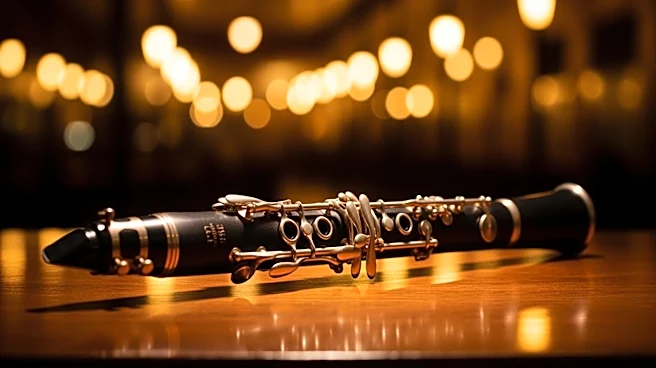






Pete Fountain, a name synonymous with jazz, embarked on a remarkable musical journey that took him from the vibrant streets of New Orleans to national fame. Known for his mastery of the clarinet, Fountain's career was marked by significant milestones and collaborations that shaped his legacy. This article explores the key phases of Fountain's career, highlighting his rise to prominence and lasting impact on the jazz world.
New Orleans Roots and Early Career
Born in New Orleans, Pete
Fountain was immersed in the city's rich musical culture from a young age. His father, a part-time musician, encouraged him to take up the clarinet to improve his health. Fountain's dedication to the instrument paid off, and he quickly became a fixture in the local jazz scene. By his teenage years, he was performing regularly in Bourbon Street nightclubs, honing his skills and gaining recognition.
Fountain's early career was marked by collaborations with local bands, including the Basin Street Six, which he founded with trumpeter George Girard. After the band's dissolution, Fountain briefly joined the Dukes of Dixieland in Chicago before returning to New Orleans to lead a band with Al Hirt. These experiences laid the foundation for Fountain's future success.
National Recognition with Lawrence Welk
Fountain's big break came when he joined the Lawrence Welk orchestra in Los Angeles. His solos on The Lawrence Welk Show brought him national attention and showcased his unique style. Despite his success, Fountain left the show after a disagreement over musical direction, preferring to return to New Orleans and lead his own bands.
Back in New Orleans, Fountain opened his club in the French Quarter, attracting major entertainers and further solidifying his reputation. His collaborations with artists like Brenda Lee and friendly rivalry with Al Hirt added to his allure. Fountain's ability to blend traditional jazz with popular music made him a versatile and sought-after performer.
Legacy and Influence
Pete Fountain's influence on jazz is profound. He recorded over 100 albums, showcasing his distinctive clarinet sound and musical versatility. Fountain's use of crystal mouthpieces contributed to his unique tone, setting him apart from other musicians. His performances on The Tonight Show Starring Johnny Carson and appearances at the Hollywood Bowl further cemented his status as a jazz icon.
Fountain's legacy extends beyond his music. He was a founder of the Half-Fast Walking Club, a Mardi Gras parade unit that remains a beloved tradition in New Orleans. His contributions to the city's cultural heritage are celebrated, and his impact on jazz continues to inspire musicians worldwide. Pete Fountain's journey from New Orleans to national fame is a testament to his talent, resilience, and enduring love for music.