





Moab, Utah, is a city with a rich and varied history that has shaped its development over the years. As the county seat of Grand County, Moab has evolved from a small settlement to a bustling hub for tourism and outdoor activities. The city's history is marked by its early settlement, economic booms, and cultural transformations, each leaving a lasting impact on the community.
Early Settlement and Development
The area around Moab has been inhabited for thousands of years, with evidence
of indigenous occupation dating back to 10,000 BCE. The present city of Moab was once the site of pueblo farming communities in the 11th and 12th centuries. However, by the time European explorers arrived, these groups had vanished, and the area was inhabited by nomadic Ute tribes.
European-based settlement began in the mid-19th century with the arrival of Mormon pioneers. In 1855, an Elk Mountain Mission was established but was soon abandoned due to conflicts with local Native American tribes. Permanent settlement resumed in 1877, and by 1881, the area was known as Grand Valley. Moab was incorporated as a town in 1902, marking the beginning of its formal development.
Economic Booms and Transformations
Moab's economy has undergone several transformations over the years. Initially based on agriculture, the city experienced a significant shift with the discovery of uranium in the 1950s. Geologist Charles Steen's discovery of a rich uranium deposit south of Moab led to a population boom, as the city became known as the "Uranium Capital of the World." This period of prosperity saw the construction of new homes, schools, and infrastructure, largely funded by Steen's contributions.
However, the decline of the uranium industry in the 1980s led to economic challenges for Moab. Many mines closed, and the city's population decreased. In response, Moab shifted its focus to tourism, capitalizing on its natural beauty and proximity to national parks. This transition has helped revitalize the local economy and establish Moab as a premier destination for outdoor enthusiasts.
Cultural and Social Changes
Throughout its history, Moab has been a site of cultural and social change. The city hosts several cultural events and festivals, such as the Moab Music Festival and the Moab Folk Festival, which celebrate the arts and bring together diverse communities. These events reflect Moab's evolving cultural landscape and its commitment to fostering a vibrant community.
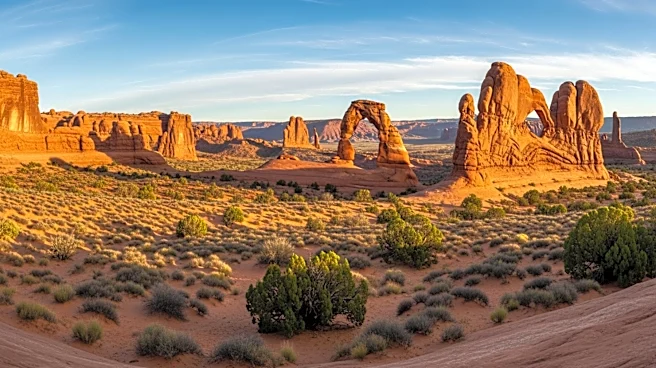
Moab has also been a center for environmental activism, with residents advocating for the protection of the surrounding natural areas. The city's proximity to Arches and Canyonlands National Parks has heightened awareness of environmental issues and inspired efforts to preserve the region's unique landscapes.
In conclusion, Moab, Utah, is a city with a dynamic history that continues to shape its identity. From its early settlement and economic booms to its cultural and social transformations, Moab's past is a testament to its resilience and adaptability. As the city continues to evolve, it remains a vibrant community with a rich heritage and a promising future.