



Carbon fiber composites are renowned for their exceptional strength and lightweight characteristics. These materials are composed of carbon fibers embedded in a matrix, typically a polymer, which binds the fibers together. This article explores the structure and properties of carbon fiber composites, shedding light on what makes them so valuable in various industries.
The Structure of Carbon Fiber Composites
Carbon fiber composites consist of two main components: the carbon fibers and the matrix.
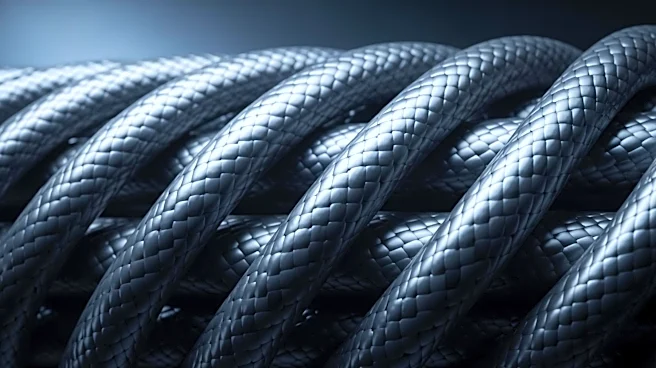
The carbon fibers provide the composite with its strength and rigidity. These fibers are typically about 5 to 10 micrometers in diameter and are composed mostly of carbon atoms. The fibers are aligned parallel to the composite's long axis, giving it a high strength-to-volume ratio.
The matrix, often a thermosetting plastic like epoxy, binds the fibers together and transfers loads between them. This combination of fibers and matrix results in a material that is both strong and lightweight. The properties of the composite can be tailored by adjusting the orientation and volume fraction of the fibers, allowing engineers to design materials with specific characteristics for different applications.
Properties of Carbon Fiber Composites
Carbon fiber composites are known for their high stiffness, high tensile strength, and low thermal expansion. These properties make them ideal for applications where weight reduction is crucial, such as in aerospace and automotive industries. The composites also exhibit high chemical resistance and can withstand high temperatures, further enhancing their versatility.
One of the unique aspects of carbon fiber composites is their directional strength properties. Unlike isotropic materials like steel, carbon fiber composites have strength that varies depending on the direction of the fibers. This allows engineers to design components that are strong in specific directions, optimizing performance for particular applications.
Challenges and Considerations
Despite their advantages, carbon fiber composites present certain challenges. They are relatively expensive compared to other materials, which can limit their use in cost-sensitive applications. Additionally, the composites can be brittle, with limited plasticity, which poses challenges in failure detection and repair.
Environmental factors such as temperature and humidity can also affect the properties of carbon fiber composites. While the fibers themselves are resistant to moisture, the matrix can be plasticized by water, leading to changes in mechanical properties. Engineers must consider these factors when designing components for specific environments.
Overall, carbon fiber composites offer a unique combination of properties that make them invaluable in modern engineering. Understanding their structure and properties is key to unlocking their full potential in a wide range of applications.