


The Iran-Contra affair was a significant political scandal in the United States during the 1980s. It involved secret arms sales to Iran and the diversion of proceeds to fund Contra rebels in Nicaragua, despite congressional prohibitions. This scandal unfolded under President Ronald Reagan's administration and led to widespread controversy and legal proceedings. The affair highlighted the complexities of foreign policy and the challenges of maintaining
transparency in government operations.
The Origins of the Scandal
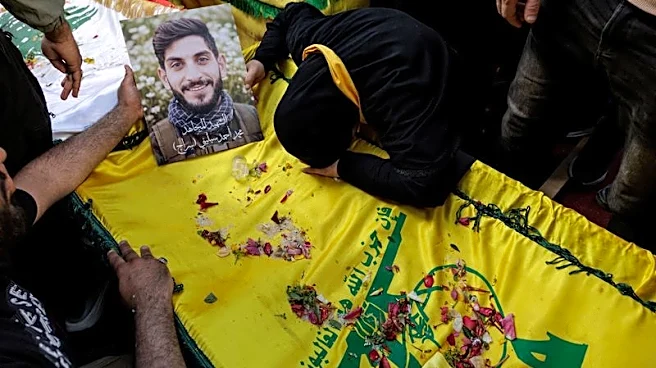
The Iran-Contra affair began in the mid-1980s when senior officials in the Reagan administration facilitated the sale of arms to Iran. At the time, Iran was under an arms embargo, making these transactions illegal. The primary motivation behind these sales was to secure the release of American hostages held in Lebanon by Hezbollah, a group with ties to Iran. The administration hoped that by providing arms, they could gain leverage over Iran to influence Hezbollah.
In addition to the arms sales, the proceeds from these transactions were secretly diverted to support the Contra rebels in Nicaragua. The Contras were fighting against the Sandinista government, which the Reagan administration opposed. However, Congress had passed the Boland Amendment, which prohibited further funding of the Contras by the government. This led to the administration's covert operations to bypass congressional restrictions.
Key Figures and Apologies
Several key figures were involved in the Iran-Contra affair, with Oliver North playing a central role. North, a National Security Council staff member, was instrumental in orchestrating the diversion of funds to the Contras. He was later granted limited immunity in exchange for his testimony before Congress. Despite his involvement, North's convictions were eventually vacated and reversed.
President Ronald Reagan publicly apologized for the affair, taking responsibility for the actions of his administration. He acknowledged the mistakes made and expressed regret for the lack of transparency. Later, President George H.W. Bush pardoned several individuals involved in the scandal, further complicating the legal and political ramifications of the affair.
The Aftermath and Legacy
The Iran-Contra affair had lasting impacts on U.S. politics and foreign policy. It led to congressional investigations and hearings, which revealed the extent of the administration's covert activities. The scandal raised questions about the balance of power between the executive and legislative branches and the oversight of foreign policy decisions.
The affair also highlighted the challenges of conducting foreign policy in secret and the potential consequences of circumventing legal and ethical boundaries. It remains a significant example of the complexities and controversies that can arise in international relations and government operations. The Iran-Contra affair serves as a reminder of the importance of transparency and accountability in government actions.