


Parabens are a class of chemicals widely used as preservatives in cosmetics and pharmaceuticals. They are known for their ability to prevent microbial growth, which helps extend the shelf life of products. This article delves into the chemical structure and synthesis of parabens, providing a foundational understanding of these compounds.
The Chemical Structure of Parabens
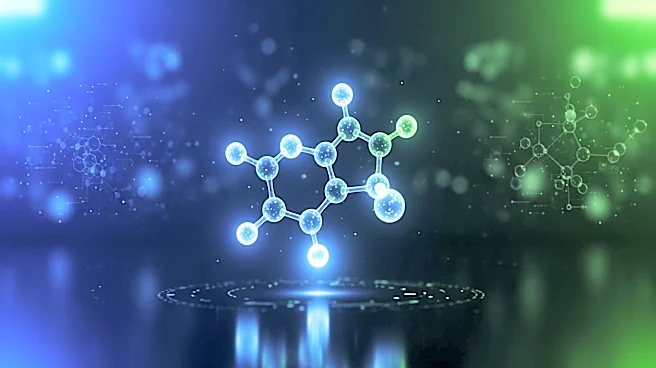
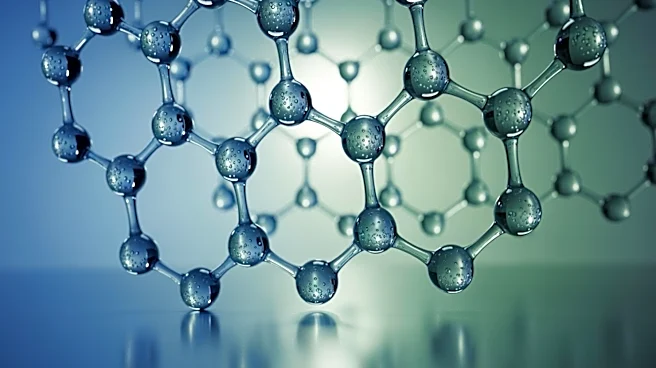
Parabens are esters of para-hydroxybenzoic acid, a compound from which they derive their name. The general chemical
structure of a paraben includes a para-hydroxybenzoate group where the R group is an alkyl chain. Common parabens include methylparaben, ethylparaben, propylparaben, and butylparaben, each differing by the length of their alkyl chain. These variations in structure influence their solubility and antimicrobial efficacy.
The synthesis of parabens involves the esterification of para-hydroxybenzoic acid with an appropriate alcohol, such as methanol, ethanol, or n-propanol. This process results in the formation of different paraben esters, each with unique properties. The industrial production of para-hydroxybenzoic acid itself is typically achieved through a modified Kolbe-Schmitt reaction, which uses potassium phenoxide and carbon dioxide.
Biological Mode of Action
Parabens are effective against a broad spectrum of microorganisms, although their exact antibacterial mode of action is not fully understood. It is believed that parabens disrupt membrane transport processes or inhibit the synthesis of DNA, RNA, and key enzymes in some bacterial species. Among the various parabens, propylparaben is noted for its stronger antibacterial activity compared to methylparaben. This increased efficacy is attributed to its greater solubility in bacterial membranes, allowing it to reach cytoplasmic targets more effectively.
The lipid solubility of parabens plays a crucial role in their ability to disrupt bacterial membranes. By interfering with the lipid bilayer, parabens may cause leakage of intracellular constituents, thereby inhibiting bacterial growth. This mechanism highlights the importance of the chemical structure in determining the effectiveness of parabens as preservatives.
Applications and Safety
Parabens are commonly found in a wide range of products, including shampoos, moisturizers, shaving gels, and pharmaceuticals. They are also used as food preservatives. Despite their widespread use, parabens are generally considered safe, with methylparaben being practically non-toxic when administered orally or parenterally in animals. Parabens are hydrolyzed to p-hydroxybenzoic acid and rapidly excreted in urine, preventing accumulation in the body.
While parabens are mostly non-irritating and non-sensitizing, a small percentage of individuals with contact dermatitis or eczema may exhibit sensitivity. Concerns about their estrogenic activity have been raised, but current evidence does not support a direct link between parabens and breast cancer in humans. Overall, parabens remain a valuable component in preserving the integrity and safety of many consumer products.