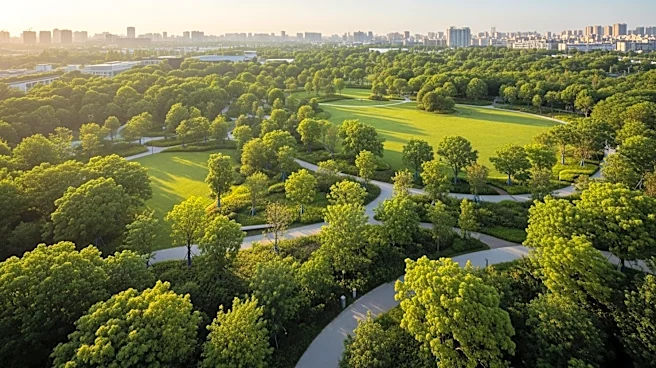

Central Park, located in the heart of Manhattan, New York City, is a landmark of historical significance and urban beauty. Its creation in the mid-19th century marked a pivotal moment in the development
of public parks in the United States. Designed by Frederick Law Olmsted and Calvert Vaux, Central Park has undergone numerous transformations since its inception, reflecting the changing needs and values of the city it serves.
The Birth of Central Park
The idea for Central Park was born out of a desire to provide New Yorkers with a green oasis amidst the bustling city. In the 1840s, as Manhattan's population surged, the need for a large public park became apparent. The park was officially approved in 1853, and Olmsted and Vaux's "Greensward Plan" won the design competition in 1858. Their vision was to create a naturalistic landscape that offered respite from urban life.
Construction began in 1857, with the park's first areas opening to the public in late 1858. The design included artificial lakes, wooded areas, and expansive lawns, all meticulously planned to appear natural. The park's completion in 1876 marked the end of a significant era of development, but it was just the beginning of its ongoing evolution.
Challenges and Renovations
Central Park faced numerous challenges in the early 20th century, including neglect and budget cuts. The park's condition deteriorated until Robert Moses, the city's parks commissioner, initiated a major cleanup in the 1930s. Moses's efforts included the construction of new playgrounds, the transformation of the park's zoo, and the creation of the Great Lawn.
In the late 20th century, the park experienced another period of decline, prompting the establishment of the Central Park Conservancy in 1980. This nonprofit organization spearheaded a comprehensive restoration plan, addressing issues such as erosion, vandalism, and neglected landscapes. The Conservancy's work has been instrumental in preserving the park's beauty and functionality.
Modern-Day Central Park
Today, Central Park is a vibrant and well-maintained urban park, attracting millions of visitors annually. The Conservancy continues to oversee its management, ensuring that the park remains a cherished green space for New Yorkers and tourists alike. Recent renovations have focused on ecological restoration, enhancing the park's natural habitats and improving visitor facilities.
Central Park's historical evolution is a testament to the enduring value of public parks in urban environments. As the city around it continues to change, Central Park remains a constant, offering a peaceful retreat and a reminder of the importance of preserving natural spaces.