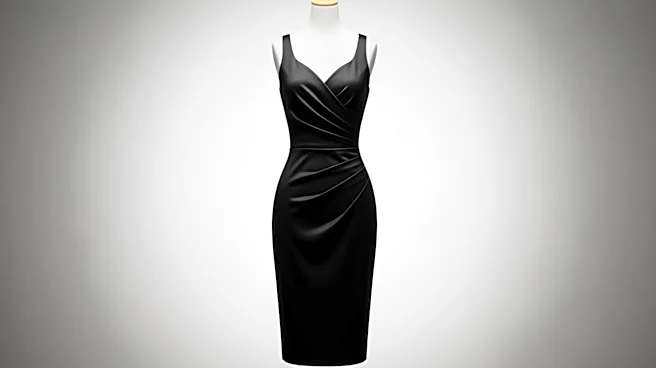





The cocktail dress is more than just a piece of clothing; it is a cultural icon that has shaped and been shaped by social norms and fashion trends. Since its inception in the early 20th century, the cocktail dress has played a significant role in the evolution of women's fashion, reflecting broader societal changes and influencing how women present themselves in social settings.
A Symbol of Modernity
The rise of the cocktail dress coincided with significant social changes
in the early 20th century. As women gained more independence and began to participate more actively in social and professional life, there was a need for attire that reflected their new roles. The cocktail dress emerged as a symbol of modernity, offering a stylish yet practical option for women attending social gatherings.
The dress's popularity was further boosted by the cocktail party culture that emerged in the United States. These semi-formal gatherings provided a space for women to socialize and network, and the cocktail dress became the uniform of choice for these events. Its versatility and elegance made it a favorite among women who wanted to make a statement without sacrificing comfort.
Fashion and Feminism
The cocktail dress has also played a role in the feminist movement, challenging traditional notions of femininity and fashion. In the 1920s, the dress's loose, flowing silhouette was a departure from the restrictive corsets and long skirts of the previous era. This shift in fashion was emblematic of the broader push for women's rights and autonomy.
In the post-World War II era, the cocktail dress continued to reflect changing attitudes towards women's fashion. Christian Dior's "New Look" emphasized a return to femininity, with its cinched waist and full skirt. However, this style was also seen as a celebration of women's bodies and a rejection of wartime austerity. The cocktail dress became a symbol of empowerment, allowing women to express their individuality and confidence.
A Timeless Classic
Today, the cocktail dress remains a staple in women's fashion, celebrated for its timeless elegance and versatility. It continues to be a popular choice for a wide range of occasions, from formal events to casual gatherings. The dress's enduring appeal lies in its ability to adapt to changing fashion trends while maintaining its classic silhouette.
The cultural impact of the cocktail dress is undeniable. It has not only influenced fashion but also played a role in shaping social norms and attitudes towards women's clothing. As a symbol of elegance and empowerment, the cocktail dress remains a powerful cultural icon, reflecting the ongoing evolution of women's fashion and society.