
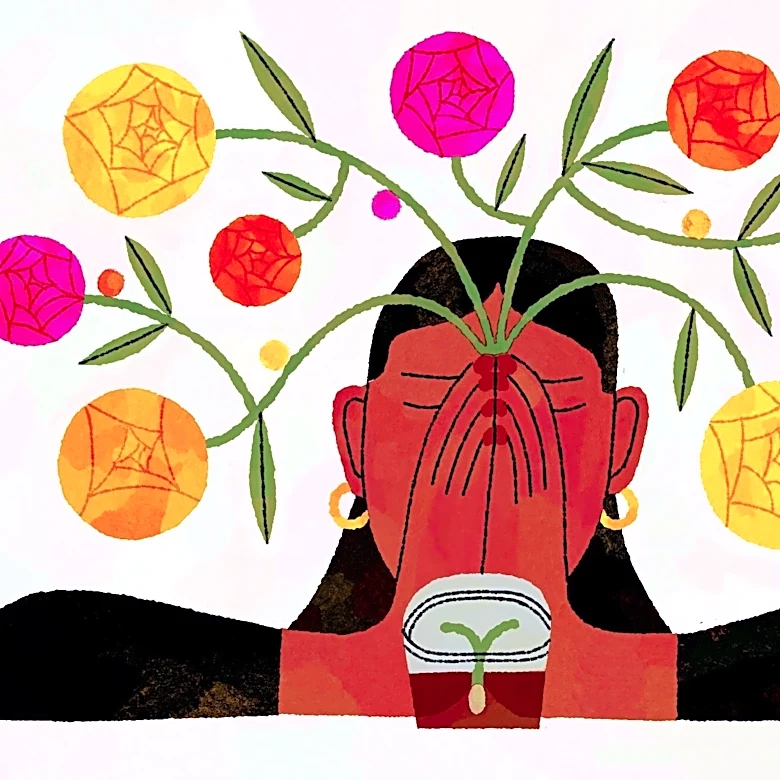








Excoriation disorder, also known as dermatillomania, is a mental health condition that falls under the obsessive-compulsive spectrum. It is characterized by a compulsive urge to pick at one's skin, leading to significant psychological and physical damage. This disorder can have a profound impact on an individual's life, affecting their mental well-being and daily functioning. Understanding the symptoms and effects of excoriation disorder is crucial
for recognizing and addressing this condition.
Symptoms and Behaviors
Individuals with excoriation disorder experience a strong, often irresistible urge to pick at their skin. This behavior is typically preceded or accompanied by feelings of tension, anxiety, or stress. The act of skin picking can provide a temporary sense of relief or satisfaction, but it often leads to feelings of guilt or depression afterward. The most commonly targeted areas for skin picking include the face, arms, legs, and scalp, although any part of the body can be affected.
The severity and frequency of skin-picking episodes can vary widely among individuals. Some may engage in brief, frequent sessions throughout the day, while others may have prolonged episodes lasting several hours. The use of fingers is the most common method, but some individuals may resort to using tools like tweezers or needles. This compulsive behavior can result in significant tissue damage, infections, and scarring, which can further exacerbate the individual's distress.
Psychological and Physical Impact
Excoriation disorder can have a profound impact on an individual's mental health. The constant urge to pick and the resulting physical damage can lead to feelings of shame, embarrassment, and helplessness. These emotions can contribute to social withdrawal and isolation, as individuals may go to great lengths to hide their skin damage from others. The disorder is also associated with a high risk of comorbid psychiatric conditions, such as depression, anxiety disorders, and body dysmorphic disorder.
Physically, the consequences of excoriation disorder can be severe. Repeated skin picking can lead to infections, tissue damage, and even life-threatening injuries in extreme cases. The physical scars and disfigurement resulting from the disorder can further impact an individual's self-esteem and quality of life. In some cases, the damage may be so severe that medical intervention, such as skin grafting, is required to repair the affected areas.
Treatment and Management
Addressing excoriation disorder often involves a combination of therapeutic approaches. Cognitive-behavioral therapy (CBT) is commonly used to help individuals identify and change the thought patterns and behaviors associated with skin picking. Medications, such as selective serotonin reuptake inhibitors (SSRIs), may also be prescribed to help manage symptoms. Support groups and therapy can provide additional emotional support and coping strategies.
Early intervention and treatment are crucial for managing excoriation disorder and minimizing its impact on an individual's life. By understanding the symptoms and seeking appropriate help, individuals with this condition can work towards reducing their skin-picking behaviors and improving their overall well-being.