





The lunge is a fundamental exercise that plays a crucial role in strength training and conditioning. Known for its simplicity and effectiveness, the lunge targets multiple muscle groups, including the quadriceps, gluteus maximus, and hamstrings. Whether performed with bodyweight or added resistance, lunges are a staple in fitness routines for athletes, weight trainers, and even yoga practitioners. This article delves into the mechanics and benefits
of lunges, highlighting their versatility and importance in physical fitness.
Strengthening Key Muscle Groups
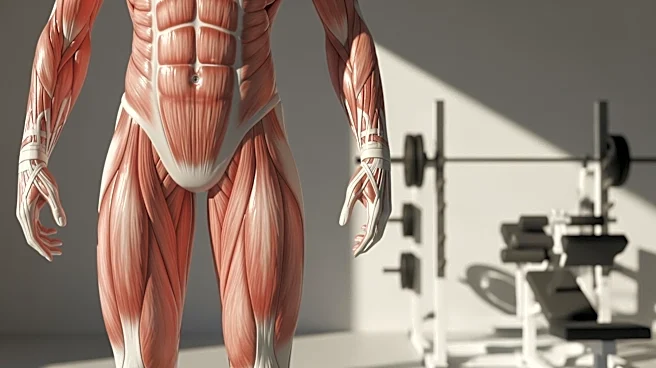
Lunges are renowned for their ability to strengthen and sculpt several major muscle groups. The quadriceps, located in the thighs, are heavily engaged during the exercise, especially when performing short lunges. On the other hand, long lunges emphasize the gluteals, or buttocks, making lunges a comprehensive lower body workout. The hamstrings also benefit from lunges, contributing to overall leg strength and stability.
For those seeking to increase the difficulty of lunges, weights such as dumbbells, kettlebells, or barbells can be incorporated. Holding weights in each hand or atop the neck and shoulders adds resistance, enhancing the workout's intensity. However, grip strength may be a concern with dumbbells, leading some practitioners to prefer the barbell lunge for better control and balance.
Lunges in Fitness and Sports
Lunges are not only a staple in strength training but also play a significant role in cross-training for sports. Athletes use lunges to improve their performance by building strength and endurance. In hybrid fitness competitions like Hyrox, lunges are a key component, requiring participants to complete a set distance of weighted lunges as part of the functional workout stations.
In yoga, lunges are incorporated into various asanas, such as the Virabhadrasana warrior poses. These poses utilize lunges to enhance flexibility and balance, contributing to a well-rounded yoga practice. The versatility of lunges makes them suitable for a wide range of fitness activities, from competitive sports to holistic wellness routines.
Variations and Safety Considerations
Lunges offer several variations to cater to different fitness levels and goals. Plyometric lunges, also known as split squat jumps, add an explosive element to the exercise, increasing cardiovascular intensity. However, caution is advised when performing forward lunges in place, as they can place shear force on the rear knee once the front leg no longer provides support.
Safety is paramount when performing lunges, especially with added weights. Proper form and technique are essential to prevent injury and maximize the benefits of the exercise. Beginners are encouraged to start with bodyweight lunges to master the movement before progressing to weighted variations.