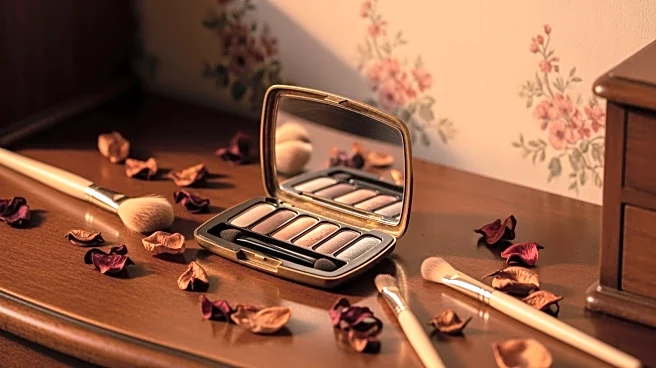




Eye shadow, a staple in the world of cosmetics, has a rich history that spans across various cultures and eras. This cosmetic, primarily used to enhance the eyes, has been a part of human adornment for thousands of years. From ancient Egypt to modern times, eye shadow has evolved in its application and significance, reflecting cultural values and technological advancements.
Ancient Beginnings
The use of eye shadow can be traced back to ancient Egypt, where it was a common
practice among both men and women. Egyptians used kohl, a dark powder made from minerals like galena, to line their eyes. This not only served an aesthetic purpose but also had practical benefits, such as protecting the eyes from the harsh sun and warding off infections. The application of eye shadow in ancient Egypt was deeply intertwined with religious beliefs, as it was thought to invoke the protection of the gods.
In addition to Egypt, other ancient civilizations also embraced eye shadow. The use of colored minerals to adorn the eyes was prevalent in many cultures, each attributing different meanings and purposes to the practice. These early uses of eye shadow laid the foundation for its enduring presence in the world of cosmetics.
Evolution Through the Ages
As time progressed, the use of eye shadow spread across different regions and cultures, each adding their unique touch. During the Victorian era, eye shadow was used sparingly, as minimal makeup was associated with respectability. However, the 20th century saw a dramatic shift in the perception and use of eye shadow.
The 1920s marked the rise of the smoky eye look, a trend that emphasized dark, sultry eyes. This era was characterized by bold makeup choices, reflecting the changing roles and attitudes of women in society. The 1930s introduced a variety of colors and finishes, expanding the possibilities for eye shadow application. These developments were influenced by advancements in cosmetic formulations and the growing influence of Hollywood.
Modern Usage and Trends
Today, eye shadow is available in an array of colors, textures, and finishes, catering to diverse preferences and styles. The modern cosmetic industry offers eye shadows in powder, cream, and liquid forms, allowing for creative expression and experimentation. The emphasis on blending and precision has elevated the art of eye shadow application, making it a key component of makeup routines.
The cultural significance of eye shadow continues to evolve, with trends often reflecting broader societal changes. From natural, understated looks to vibrant, artistic expressions, eye shadow remains a versatile tool for self-expression. Its journey from ancient rituals to contemporary fashion highlights its enduring appeal and adaptability in the ever-changing world of beauty.