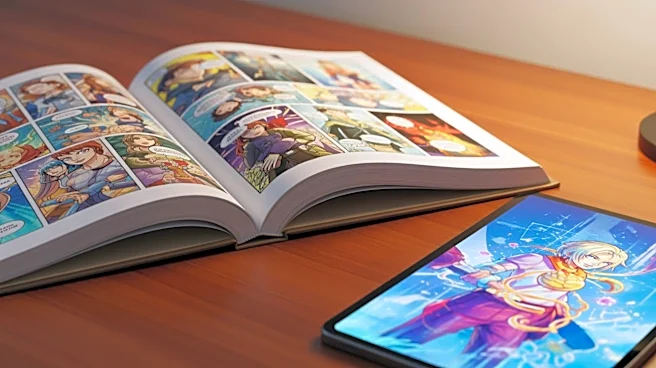

While webcomics are primarily known for their digital presence, many creators have successfully transitioned their work into print publications. This move from screen to page offers new opportunities and
challenges for webcomic artists. In this article, we explore the journey of webcomics into the world of print, highlighting the motivations and methods behind this transition.
The Appeal of Print
For many webcomic creators, the allure of seeing their work in print is a significant motivator. Print publications offer a sense of permanence and legitimacy that digital formats may lack. Additionally, print books can reach audiences who prefer physical media or who may not be regular internet users. This broader reach can help creators expand their fanbase and increase their visibility in the comics industry.
The transition to print also allows webcomic artists to explore new creative possibilities. Print formats can offer different layouts and design options, enabling creators to present their work in fresh and innovative ways. For some artists, the print version of their webcomic is seen as the ultimate goal, while for others, it is simply another way to share their content with the world.
Challenges of Transitioning to Print
Despite the benefits, transitioning a webcomic to print is not without its challenges. The traditional audience for webcomics and print comics can be vastly different, and webcomic readers do not necessarily frequent bookstores. As a result, creators must find ways to market their print editions effectively to reach new audiences.
Funding the production of print editions can also be a hurdle for many webcomic artists. Crowdfunding platforms like Kickstarter have become a popular solution, allowing creators to raise the necessary funds to produce and distribute their books. Successful campaigns, such as those for "Cucumber Quest" and "The Antler Boy," demonstrate the potential of crowdfunding to support print projects.
Success Stories and Future Prospects
Several webcomic creators have found success in the print world, with some even achieving bestseller status. Raina Telgemeier's "Smile," originally a webcomic, became a #1 New York Times bestseller and sold over 1.4 million copies. This success highlights the potential for webcomics to thrive in the print market, attracting new readers and gaining critical acclaim.
As the webcomic industry continues to evolve, the relationship between digital and print formats will likely grow stronger. With new technologies and distribution methods emerging, webcomic creators have more opportunities than ever to share their work in both digital and physical forms. By embracing the possibilities of print, webcomic artists can continue to innovate and reach new heights in their creative endeavors.