





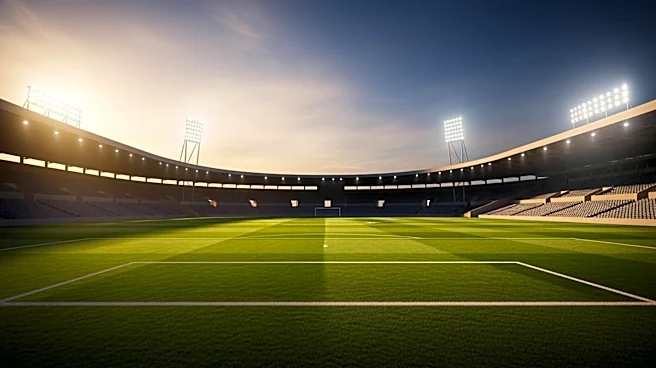

Rostov Arena, situated in Rostov-on-Don, Russia, played a pivotal role during the 2018 FIFA World Cup. As one of the tournament's venues, it hosted several matches and left a lasting legacy on the city and its football culture. This article explores the significance of Rostov Arena during the World Cup and its impact on the region.
Hosting the World Cup
Rostov Arena was one of the key venues for the 2018 FIFA World Cup, hosting five games during the tournament. The stadium's
design and capacity were tailored to meet the demands of such a prestigious event. With a seating capacity of 45,000, the arena provided an ideal setting for fans from around the world to experience the excitement of World Cup matches.
The arena's location in Rostov-on-Don, a city with a rich football tradition, added to the atmosphere of the tournament. The World Cup brought international attention to the city, showcasing its culture and hospitality. The matches held at Rostov Arena were not only a highlight for local fans but also for visitors who experienced the vibrant football culture of the region.
Post-World Cup Usage
Following the conclusion of the 2018 FIFA World Cup, Rostov Arena transitioned to serve as the home ground for FC Rostov, a team in the Russian Premier League. This shift ensured that the stadium continued to be a hub for football in the region, hosting both domestic league matches and selected games for the Russia national football team.
In addition to football, Rostov Arena has been utilized for various sporting and cultural events, further cementing its role as a multifunctional venue. The arena's design, which included temporary seating for the World Cup, allowed for a reduction in capacity post-tournament, making it more suitable for regular use by FC Rostov and other events.
A Catalyst for Development
The construction and operation of Rostov Arena have had a significant impact on the development of Rostov-on-Don. The stadium is part of a broader initiative to create a new city center on the southern bank of the Don River. This development aims to enhance the city's infrastructure and attract further investment.
Rostov Arena stands as a symbol of the city's growth and its commitment to fostering a vibrant sports culture. The legacy of the 2018 FIFA World Cup continues to influence the region, with the arena serving as a focal point for community engagement and international sporting events.