



Mushrooms have long been cherished in culinary traditions around the world, prized for their unique flavors and textures. As a versatile ingredient, they enhance a wide range of dishes, from soups to stir-fries. This article explores the role of mushrooms in global cuisines and their nutritional benefits.
Culinary Uses
Mushrooms are used extensively in cooking, featured in many cuisines such as Chinese, Korean, European, and Japanese. Their earthy flavor and meaty
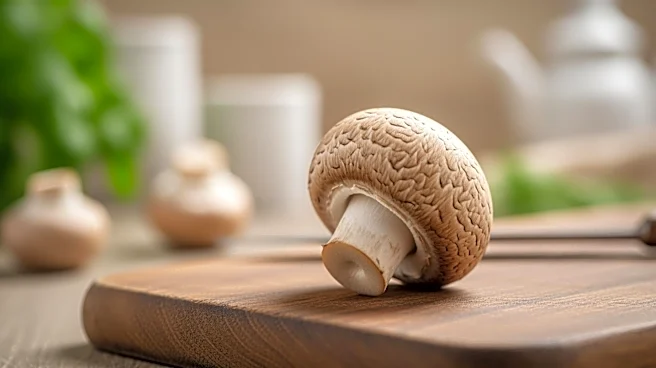
texture make them a popular choice for vegetarian and vegan dishes. Common varieties like Agaricus bisporus, shiitake, and maitake are staples in grocery stores, offering diverse options for home cooks and chefs alike.
In addition to their flavor, mushrooms are valued for their ability to absorb and complement other ingredients. They can be sautéed, grilled, or roasted, adding depth to sauces and stews. Mushrooms are also used in traditional dishes, such as risottos and dumplings, showcasing their versatility and cultural significance.
Nutritional Benefits
Mushrooms are not only delicious but also nutritious, providing essential vitamins and minerals. They are a rich source of B vitamins, selenium, and copper, contributing to overall health and well-being. Mushrooms are low in calories and fat, making them an excellent choice for those seeking a balanced diet.
One notable aspect of mushrooms is their vitamin D content, which can be enhanced through exposure to sunlight or UV light. This process converts ergosterol in mushrooms to vitamin D2, offering a valuable dietary source of this essential nutrient. Mushrooms also contain antioxidants and compounds that may support immune function and reduce inflammation.
Cultural Significance
Mushrooms have been valued as food since antiquity, with historical records indicating their use in ancient civilizations. They are often associated with folk medicine and traditional healing practices, believed to offer health benefits beyond their nutritional content.
The cultural significance of mushrooms is reflected in their depiction in art and literature, symbolizing mystery and transformation. As a culinary ingredient, they continue to inspire creativity and innovation, with chefs exploring new ways to incorporate them into modern cuisine.
Mushrooms are a culinary delight, offering a blend of flavor, nutrition, and cultural heritage. Their versatility and health benefits make them a cherished ingredient in kitchens worldwide, contributing to the rich tapestry of global gastronomy.