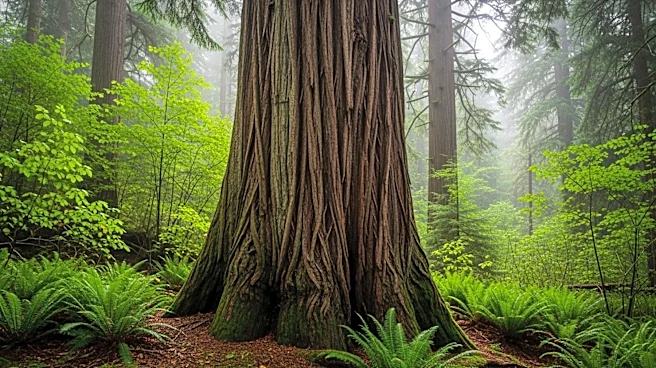






Olympic National Park, a gem of the Pacific Northwest, has a rich history that reflects the evolving relationship between humans and nature. Established in 1938, the park's journey from a national monument to a UNESCO World Heritage Site is a story of conservation, political will, and public advocacy. This article explores the key milestones in the park's history and the figures who played pivotal roles in its preservation.
Early Designation and Conservation Efforts
The origins of Olympic National
Park can be traced back to 1909 when President Theodore Roosevelt designated the area as Mount Olympus National Monument. This initial designation aimed to protect the unique subalpine ecosystems and the Roosevelt elk herds that roamed the region. The monument status was a response to growing concerns about the impact of logging and hunting on the peninsula's natural resources.
In the following decades, public support for greater protection of the area grew. The 1920s saw increased interest in outdoor recreation, with more people visiting the Olympic Peninsula. This period also marked the beginning of organized efforts to establish a national park, spearheaded by conservationists and local advocates who recognized the ecological and recreational value of the region.
Establishment as a National Park
The push for national park status gained momentum in the 1930s, culminating in President Franklin D. Roosevelt's visit to the Olympics in 1937. Impressed by the area's natural beauty and ecological significance, Roosevelt supported the creation of a national park. On June 29, 1938, Congress passed legislation establishing Olympic National Park, encompassing the existing monument and additional lands.
The park's establishment was a significant victory for conservationists, but it also faced challenges. Illegal logging continued within the park's boundaries, and debates over land use persisted. Despite these challenges, the park's creation marked a turning point in the conservation movement, setting a precedent for the protection of other natural areas across the United States.
Recognition and Expansion
In the decades following its establishment, Olympic National Park received international recognition for its ecological importance. In 1976, UNESCO designated the park as an International Biosphere Reserve, highlighting its role in global biodiversity conservation. Five years later, in 1981, the park was inscribed as a World Heritage Site, further cementing its status as a natural treasure.
The park's boundaries have also expanded over time. In 1953, the park was enlarged to include a coastal strip, and in 1988, Congress designated 95% of the park as the Olympic Wilderness, later renamed the Daniel J. Evans Wilderness. These expansions have helped preserve the park's diverse ecosystems and ensure the protection of its unique flora and fauna.
Olympic National Park's history is a testament to the power of collective action and the enduring value of natural preservation. From its early days as a national monument to its current status as a world-renowned park, Olympic National Park continues to inspire and educate visitors from around the globe.