





Russian cuisine is a rich tapestry woven from centuries of cultural influences and historical events. From its humble beginnings in the 9th century to the diverse culinary landscape of today, Russian cuisine has evolved significantly. This article delves into the historical development of Russian cuisine, highlighting key eras and influences that have shaped its unique character.
Old Russian and Moscow Cuisine
The roots of Russian cuisine can be traced back to the Old Russian period,
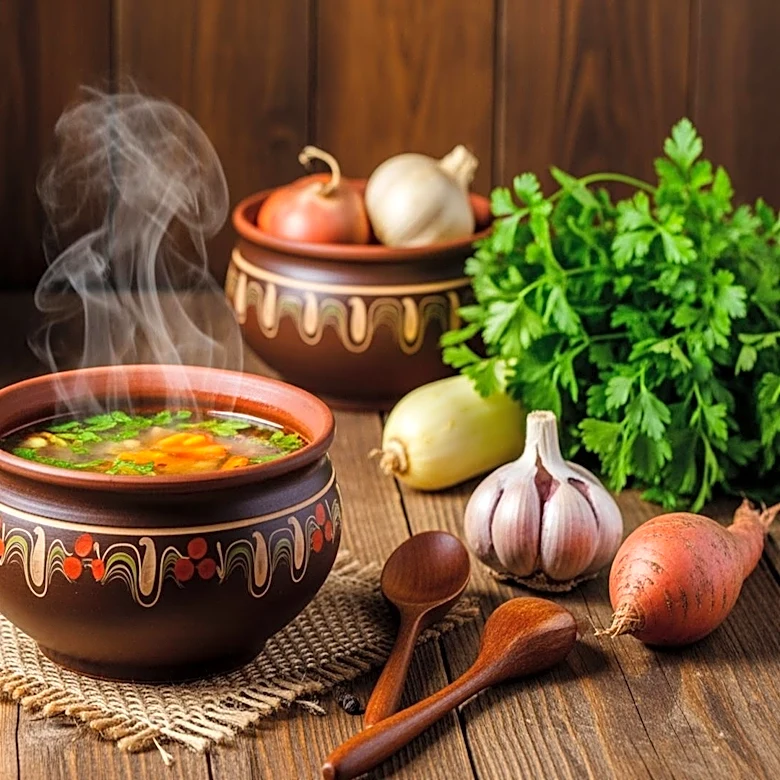
spanning the 9th to 16th centuries. During this time, the diet was primarily composed of bread, grains, and starchy foods. Pies filled with mushrooms or berries were common, and gatherings often featured a loaf of bread and salt. Kasha, made from buckwheat and oats, symbolized household wellbeing. Honey and berries were used to create gingerbread, a dessert that remains popular today.
In the 17th century, Russian cuisine began to reflect economic class distinctions. The wealthy enjoyed meat and delicacies like caviar, while the poor subsisted on simpler fare. The annexation of new territories introduced a variety of foods, expanding the culinary repertoire. This era marked the beginning of a more diverse Russian cuisine, setting the stage for further evolution.
Influence of European Cuisine
The 18th century brought significant changes to Russian cuisine during the reigns of Peter and Catherine the Great. Minced meat became a staple, and European culinary techniques were integrated into Russian dishes. French, German, Dutch, and Italian influences introduced new ingredients like lamb, pork, potatoes, and tomatoes. The harsh Russian climate necessitated preservation methods, leading to dishes that could withstand the cold.
The Petersburg cuisine era, from the late 18th century to the 1860s, saw the incorporation of refined culinary techniques. Smoked meats, fish, pastries, salads, and green vegetables became popular. Imported items like chocolate, ice cream, wines, and juices enriched the culinary landscape, particularly for the urban aristocracy and provincial gentry.
Soviet and Post-Soviet Cuisine
The early 20th century revolution brought a decline in elite cuisine, replaced by Soviet cuisine. This new culinary style emphasized the fusion of national cuisines, scientific dietary approaches, and industrial food preparation. The fall of the Soviet Union ended the state monopoly on food service, leading to a diversification of cuisine.
As prosperity grew, there was a resurgence of Imperial-era elite cuisine and a quest for novelty and local specialties. This renaissance gave birth to the New Russian cuisine, characterized by creative reinterpretations and fresh culinary experiences. Today, Russian cuisine continues to evolve, reflecting its rich history and diverse cultural influences.