


Infusion is a fascinating process that involves extracting flavors and chemical compounds from plant materials using a solvent. This method is widely used in creating popular beverages like tea, coffee, and mate. By allowing plant materials to steep in a solvent such as water, oil, or alcohol, infusion captures the essence of the ingredients, resulting in a flavorful liquid. This article delves into the intricacies of infusion, its preparation techniques,
and the tools used to perfect this art.
Understanding the Infusion Process
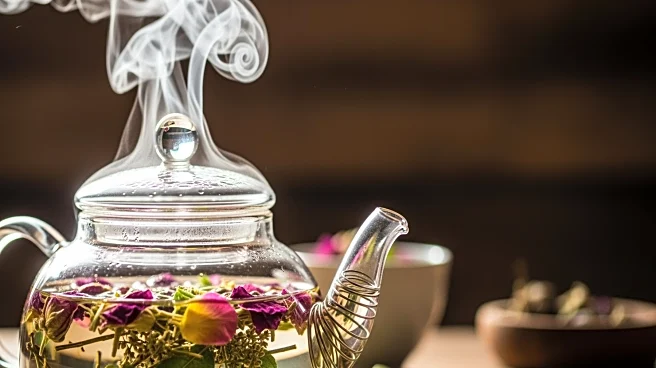
Infusion is a chemical process that relies on the volatile nature of botanicals, such as dried herbs, flowers, or berries, to release their active ingredients into a solvent. The process begins by boiling a liquid or bringing it to an appropriate temperature before pouring it over the plant material. The material is then allowed to steep for a specific period, during which the flavors and compounds are extracted into the liquid. Once the desired infusion is achieved, the plant material is removed, often by straining, leaving behind a flavorful liquid.
The duration of the steeping process varies depending on the type of infusion. For instance, some Chinese teas require only a few seconds, while liqueurs like sloe gin may need to steep for days or even months. The key to a successful infusion lies in understanding the properties of the plant material and adjusting the steeping time accordingly.
Tools and Techniques for Infusion
Several tools and techniques are employed to facilitate the infusion process and remove the steeped botanicals. Metal steepers, tea infusers, and French presses are commonly used to strain the liquid and separate it from the plant material. The most popular method, however, is the teabag, which is made from filter paper and filled with various tea flavors.
Each tool offers a unique approach to infusion, allowing for different levels of flavor extraction and convenience. For example, a French press is often used for infusing coffee and certain teas, providing a robust flavor profile. On the other hand, tea infusers and metal steepers offer a more controlled steeping process, ideal for delicate teas and herbal infusions.
The Versatility of Infusion
Infusion is not limited to beverages; it extends to culinary and medicinal applications as well. In cooking, infusion is used to create flavored oils and vinegars, enhancing dishes with subtle notes of herbs and spices. In the medical field, infusion therapy involves the delivery of fluids and medications through intravenous or subcutaneous routes, showcasing the versatility of this process.
The art of infusion continues to evolve, with new techniques and tools emerging to enhance the extraction of flavors and compounds. Whether enjoyed as a comforting cup of tea or utilized in a medical setting, infusion remains a vital process that bridges the gap between nature and science.