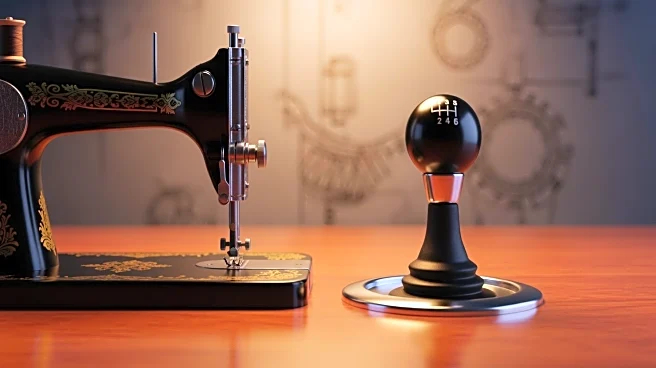


Opel, a name synonymous with German engineering, has a rich history that dates back to the 19th century. Founded in 1862 by Adam Opel, the company initially produced sewing machines before transitioning into the automotive industry. Over the years, Opel has undergone significant transformations, including ownership changes and technological advancements, leading to its current status as a subsidiary of Stellantis.
Early Beginnings and Transition to Automobiles
Opel's journey began in Rüsselsheim,
Germany, where Adam Opel started manufacturing sewing machines. By 1886, the company expanded its product line to include high-wheel bicycles, capitalizing on the popularity of cycling at the time. This diversification laid the groundwork for Opel's eventual entry into the automotive sector.
In 1899, Opel produced its first automobile, marking a pivotal shift in its business focus. The early cars were not immediately successful, but Opel's persistence paid off. By 1902, the company showcased its own designs at the Hamburg Motor Show, and production began in earnest in 1906. This period marked Opel's transition from a sewing machine manufacturer to a recognized automobile maker.
Growth and Innovation in the 20th Century
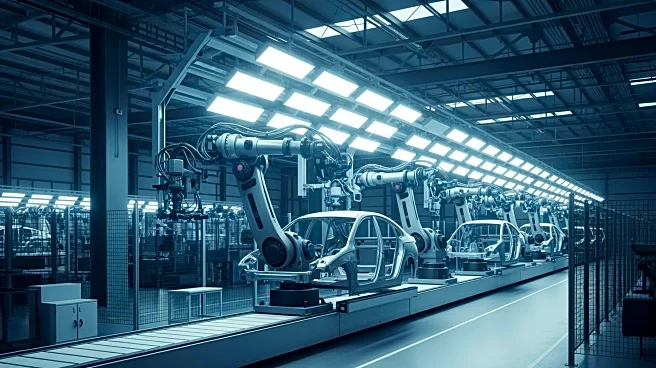
The 1920s and 1930s were transformative years for Opel. The company became the first German car manufacturer to implement mass-production assembly lines, significantly boosting its output. Opel's innovative spirit was evident in its development of the Opel RAK program, which explored rocket propulsion for vehicles, setting speed records and contributing to the history of aviation and spaceflight.
In 1929, General Motors acquired a majority stake in Opel, further accelerating its growth. By 1935, Opel was producing over 100,000 vehicles annually, thanks to popular models like the Opel P4. The introduction of the Olympia, Germany's first mass-produced car with a unibody all-steel body, showcased Opel's commitment to innovation.
Modern Era and Integration into Stellantis
Opel continued to evolve throughout the late 20th and early 21st centuries. In 2017, the PSA Group acquired Opel from General Motors, marking a new chapter in its history. This acquisition positioned Opel as a key player in the European automotive market, alongside brands like Peugeot and Citroën.
In 2021, Opel became part of Stellantis, a global automotive powerhouse formed by the merger of PSA Group and Fiat Chrysler Automobiles. Today, Opel designs, engineers, and manufactures a wide range of vehicles, including passenger cars and light commercial vehicles, maintaining its legacy of innovation and quality.