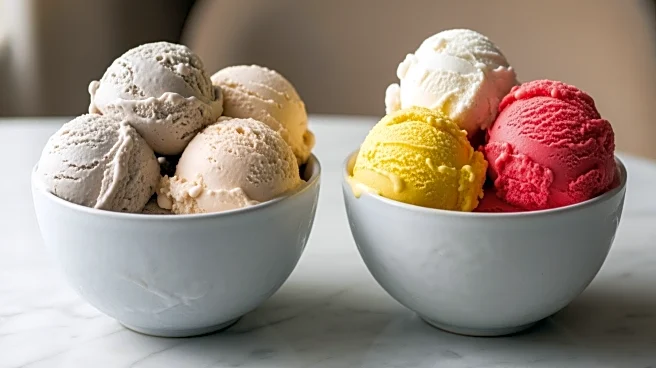


Gelato and ice cream are both beloved frozen desserts, yet they differ significantly in terms of ingredients, texture, and production methods. While both offer delightful flavors and creamy textures, understanding their differences can enhance your appreciation for each. This article explores the unique characteristics that set gelato apart from traditional ice cream.
Ingredients and Butterfat Content
One of the primary differences between gelato and ice cream lies in their ingredients.
Gelato typically contains 6-9% butterfat, which is lower than the 10% minimum found in traditional ice cream. This lower butterfat content contributes to gelato's dense and creamy texture, allowing the flavors to shine more intensely.
Gelato is made with a higher proportion of milk and less cream compared to ice cream. It also incorporates more flavorings, such as fruit, nuts, and chocolate, which enhance its taste. The sugar content in gelato ranges from 14-24%, and it often includes stabilizers like guar gum to maintain its smooth texture.
Texture and Air Incorporation
Another key difference between gelato and ice cream is the amount of air incorporated during production. Gelato contains about 25-35% air, significantly less than the 50% or more found in American-style ice cream. This lower air content results in a denser and richer texture, making gelato feel creamier and more indulgent.
The process of making gelato involves heating the ingredients to 85°C for pasteurization, then cooling them to 5°C before mixing to achieve the desired texture. The mixed gelato is then batched in the freezer, where the sugar prevents it from freezing solid by binding to the water and interfering with ice crystal formation.
Serving and Presentation
Gelato is traditionally served at a slightly warmer temperature than ice cream, between -14 to -11°C. This allows the flavors to be more pronounced and the texture to remain soft and creamy. Gelato is often served with a spade rather than an ice cream scooper, further emphasizing its unique presentation.
While ice cream is commonly served in cones or cups, gelato is often presented in a more artisanal manner, with shops offering a variety of flavors displayed in elegant arrangements. This focus on presentation highlights gelato's Italian heritage and its status as a gourmet dessert.
In conclusion, while gelato and ice cream share similarities as frozen desserts, their differences in ingredients, texture, and presentation make each a unique treat. Whether you prefer the dense creaminess of gelato or the airy texture of ice cream, both offer delightful experiences for dessert lovers.