






The poncho, originally a simple garment designed for warmth and protection, has undergone a remarkable transformation into a modern fashion statement. This article examines the evolution of ponchos from their traditional roots to their current status in the fashion world, highlighting the changes in materials, designs, and cultural significance.
Traditional Roots
Ponchos have been used by Native American peoples across the Americas since pre-Hispanic times. In regions
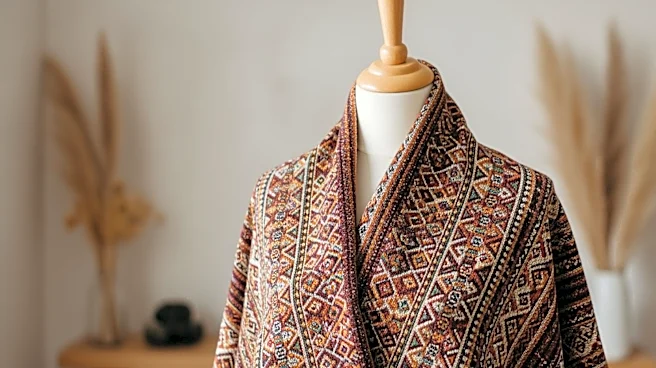
like the Andes and Patagonia, ponchos were crafted from woolen fabric, serving as essential garments for warmth. The design was straightforward: a large rectangular piece of fabric with a central opening for the head, often accompanied by a hood.
These traditional ponchos were not only practical but also culturally significant, with different regions developing unique styles and patterns. The poncho became a symbol of identity, reflecting the heritage and craftsmanship of the communities that produced them.
Transition to Fashion
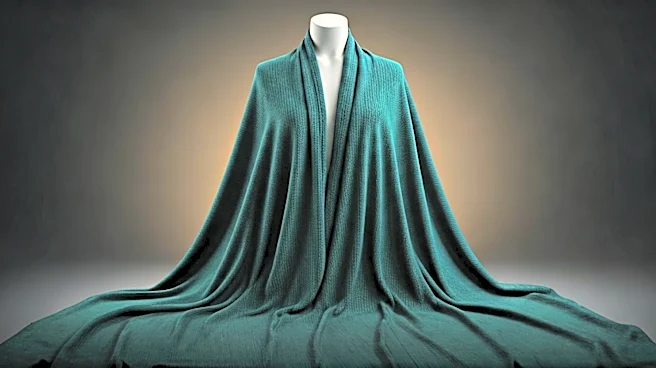
In recent years, ponchos have transitioned from traditional clothing to fashionable items. Modern ponchos retain the same basic shape but are made from different materials, such as woolen yarn, knitted or crocheted. These fashion ponchos are designed to be breathable and comfortable, focusing on aesthetics rather than solely on protection from the elements.
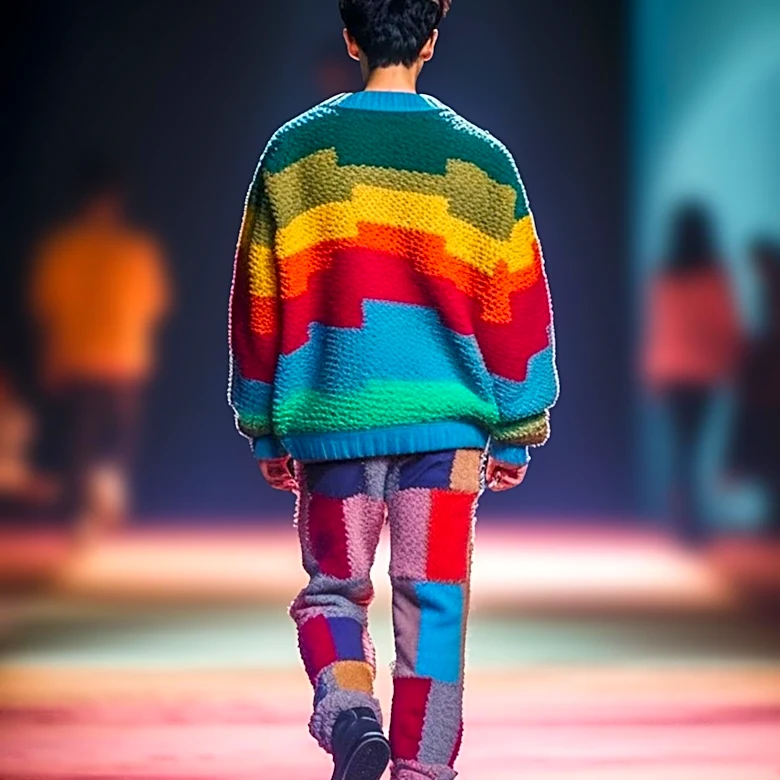
Ponchos with festive designs or vibrant colors are now worn at special events, showcasing their versatility as fashion pieces. The shift in materials and designs has allowed ponchos to appeal to a broader audience, making them a popular choice for those seeking stylish yet functional outerwear.
Cultural and Fashion Impact
The transformation of ponchos into fashion items has not diminished their cultural significance. In Chile, for example, ponchos remain highly valued, with Mapuche ponchos being traded for horses or yerba mate in the 19th century. The quality and craftsmanship of these ponchos continue to be recognized, even as they evolve into modern fashion pieces.
Today, ponchos are seen on runways and in fashion magazines, reflecting their status as trendy garments. Designers have embraced the poncho's versatility, incorporating it into various collections and styles. This fusion of tradition and modernity highlights the poncho's enduring appeal and adaptability.
As ponchos continue to evolve, they serve as a reminder of the rich cultural heritage from which they originated. Whether worn for warmth, style, or cultural expression, ponchos remain a timeless garment with a unique place in both history and fashion.