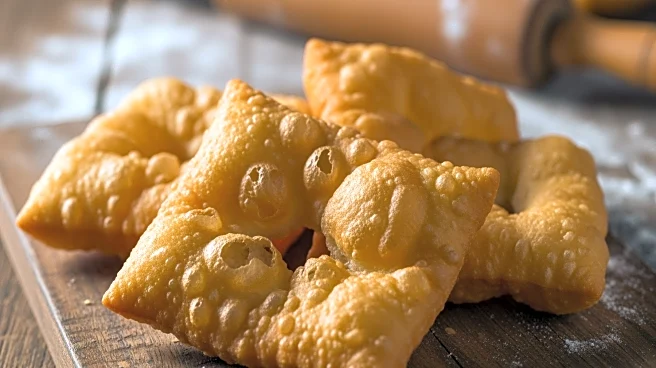




Fried dough is a beloved treat enjoyed in various forms across the globe. From churros to doughnuts, this simple yet delightful dish has captured the hearts and taste buds of many. The preparation of fried dough involves deep-frying risen yeast dough, resulting in a crispy exterior and a soft, fluffy interior. This article delves into the preparation techniques and cultural significance of fried dough, highlighting its role in different cuisines and its enduring
popularity.
Preparation Techniques
The process of making fried dough begins with the creation of a yeast dough. This dough is allowed to rise, which contributes to its light and airy texture once fried. The dough is then shaped, often into rings or long strips, before being submerged in hot oil. The deep-frying process is crucial, as it gives the dough its characteristic golden-brown color and crispy texture.
Different cultures have their own unique methods of preparing fried dough. In Spanish and Portuguese cuisine, churros are made using choux pastry dough, which is piped into hot oil using a star-shaped nozzle. This technique creates the ridged surface that churros are known for. In contrast, doughnuts are typically made from a leavened dough that is shaped into rings or balls before frying.
Cultural Significance
Fried dough holds a special place in many cultures, often associated with celebrations and festivals. In Spain and Latin America, churros are a popular breakfast item, enjoyed with coffee or hot chocolate. They are also a common street food, sold by vendors who fry them fresh on the spot. In North America, doughnuts are a staple in bakeries and coffee shops, often enjoyed as a sweet snack or breakfast treat.
The cultural significance of fried dough extends beyond its delicious taste. It is a symbol of comfort and indulgence, often evoking nostalgic memories of childhood and family gatherings. The simplicity of its ingredients and preparation makes it accessible to all, allowing it to transcend cultural boundaries and become a universal favorite.
Variations Across the Globe
Fried dough comes in many forms, each with its own unique twist. In Italy, zeppole are small, round doughnuts often filled with custard or jelly. In France, beignets are square-shaped pastries dusted with powdered sugar. In the Middle East, a similar treat known as karabeej halab is made using semolina flour and dipped in a sugar syrup.
These variations highlight the versatility of fried dough and its ability to adapt to different culinary traditions. Whether enjoyed as a sweet dessert or a savory snack, fried dough continues to be a beloved treat worldwide, cherished for its simplicity and deliciousness.