





The hair dryer, a staple in both professional salons and home bathrooms, has undergone significant transformations since its inception. Originally a bulky, stationary device, the hair dryer has evolved into a compact, handheld tool that is essential for hair styling. This article explores the history of the hair dryer, highlighting key developments and innovations that have shaped its journey from a salon-exclusive appliance to a household necessity.
Early Beginnings
The concept of the hair dryer dates back to the late 19th century. The first hair dryer was invented in 1888 by French stylist Alexandre Godefroy. This early model was not the portable device we know today; instead, it was a large, seated version that required the user to sit under a bonnet attached to a gas stove chimney. This invention was designed for use in Godefroy's salon in France and was far from the handheld convenience we are accustomed to.
In 1911, Armenian American inventor Gabriel Kazanjian patented the first hair dryer in the United States. This marked a significant step towards making hair dryers more accessible. However, it wasn't until the 1920s that handheld models began to appear on the market, thanks to innovations by companies like National Stamping and Electric Works and the Hamilton Beach Co. These early handheld dryers were still quite heavy, weighing around two pounds, and had issues with overheating and electrocution.
Advancements in Design and Safety
The 1950s and 1960s saw significant advancements in hair dryer technology. The introduction of the bonnet dryer in 1951 allowed for more even heat distribution, making it a popular choice for home use. This type of dryer consisted of a portable box connected to a bonnet with holes, which could be placed over the head to dry hair evenly.
During the same period, the rigid-hood hair dryer became a common sight in salons. This model featured a hard plastic helmet that provided a higher wattage than the bonnet dryer, offering faster drying times. The 1960s also saw the introduction of plastic casings, which made hair dryers lighter and more user-friendly.
In the 1970s, safety became a priority with the U.S. Consumer Product Safety Commission setting guidelines for hair dryers. By 1991, all hair dryers were required to have a ground fault circuit interrupter to prevent electrocution if the device got wet.
Modern Innovations
Today, hair dryers are equipped with a variety of features that enhance their functionality and safety. Most modern hair dryers use ceramic heating elements, which provide instant heat and reduce drying time. Many models also include a "cool shot" button that helps set hairstyles and reduce frizz.
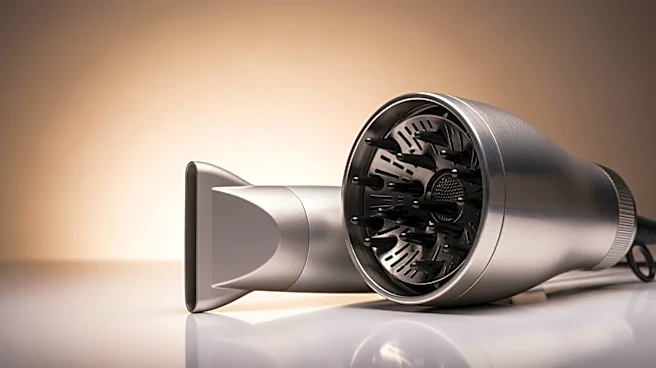
Ionic technology, which reduces static electricity in hair, is another popular feature, although its effectiveness is debated. Additionally, hair dryers now come with various attachments, such as diffusers and concentrators, to cater to different hair types and styling needs.
The evolution of the hair dryer reflects broader trends in technology and consumer demand for convenience and safety. From its humble beginnings as a salon-exclusive device, the hair dryer has become an indispensable tool in personal grooming routines worldwide.