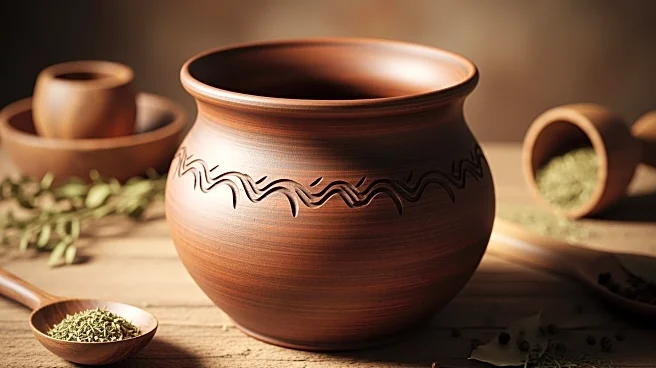

Clay pot cooking is a culinary technique with a rich history that spans thousands of years. From its origins in ancient civilizations to its modern adaptations, this method has evolved significantly, reflecting
changes in technology, culture, and culinary preferences. This article delves into the historical journey of clay pot cooking, exploring its development and enduring legacy across different eras.
Ancient Beginnings
The history of clay pot cooking dates back to ancient times, with evidence of its use found in various archaeological sites. The earliest known clay pots were discovered in Xianrendong Cave in Jiangxi province, China, dating back 20,000 years. These pots were used for communal feasting, highlighting the social aspect of cooking and sharing food. The Etruscans, who lived in what is now Italy, were among the first to use wet-clay cooking vessels, a practice later adopted by the Romans.
The Romans refined the technique, creating the Roman pot, which became a staple in Mediterranean cooking. This vessel allowed for slow cooking, preserving the flavors and nutrients of the food. The Roman pot influenced culinary practices across Europe, laying the foundation for the diverse clay pot traditions we see today. As metal cookware became more prevalent, the use of clay pots declined, but they remained popular for dishes that required their unique cooking properties.
Cultural Adaptations and Innovations
As clay pot cooking spread across the globe, different cultures adapted the technique to suit their culinary needs. In Asia, the Han dynasty in China used unglazed pots known as fus for wet clay cooking. Japan's donabe, first mentioned in the 8th century, evolved as other materials became available, distinguishing itself as a traditional clay pot. In Korea, the ddukbaegi and dolsot became essential for preparing soups and bibimbap, respectively.
In Africa, the Moroccan tajine emerged as a distinctive clay pot with a conical lid, designed to condense steam and enhance the flavors of slow-cooked stews. The Middle East embraced clay pots for dishes like zibdiye and qidreh, emphasizing communal cooking and dining. These cultural adaptations showcase the versatility of clay pots and their ability to enhance local flavors and cooking styles.
Modern Revival and Popularity
Despite the rise of modern cookware, clay pot cooking has experienced a revival in recent years. Chefs and home cooks alike appreciate the unique qualities of clay pots, which allow for healthier cooking with minimal fats and oils. The earthy flavors imparted by the clay and the ability to retain moisture make these pots a preferred choice for many traditional dishes.
In the United States, clay pot cooking is gaining popularity among those seeking to reconnect with traditional methods and enjoy the benefits of slow cooking. As more people become aware of the health and flavor advantages of clay pots, this ancient technique continues to thrive, bridging the gap between past and present culinary practices.
The historical evolution of clay pot cooking is a testament to its enduring appeal and adaptability. As we trace its journey through time, we gain a deeper understanding of the cultural significance and culinary artistry that clay pots bring to the world of cooking.