






The Indo-Pacific Economic Framework for Prosperity (IPEF) is a collaborative initiative launched by the United States in 2022, bringing together fourteen member countries to foster economic growth and cooperation. This framework emphasizes partnership and shared goals, aiming to create a more resilient and sustainable economic environment in the Indo-Pacific region.
Member Contributions and Collaboration
The IPEF includes a diverse group of countries, such as Australia, India, Japan, and
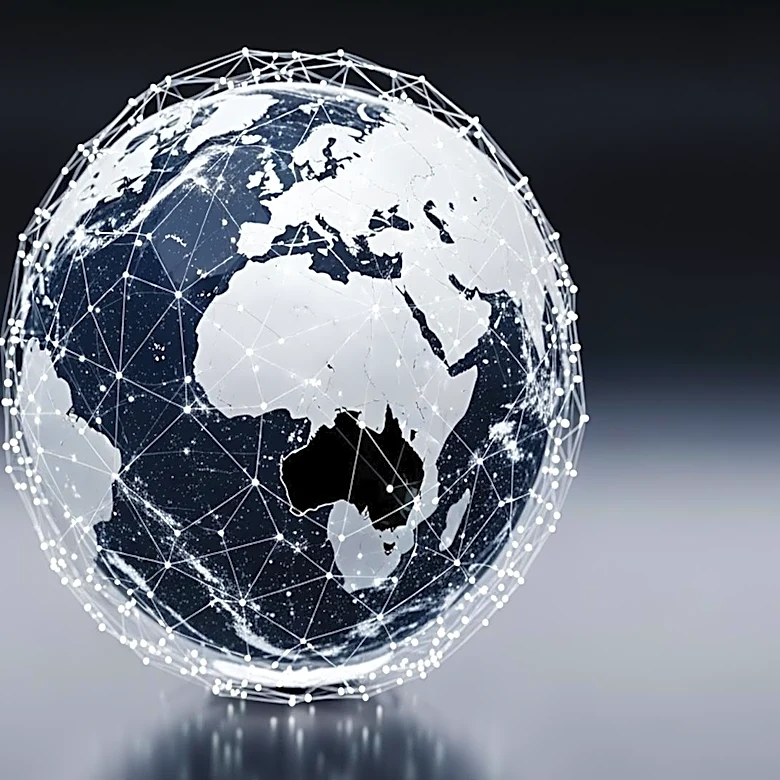
Vietnam, each contributing unique strengths to the framework. These nations represent around 40% of the world's GDP, highlighting the significant economic potential of the collaboration. The inclusion of Fiji as the first Pacific Island nation in 2023 further underscores the framework's commitment to regional inclusivity.
Each member country brings its own expertise and resources to the table, enhancing the framework's ability to address complex economic challenges. For instance, Japan's technological advancements and India's growing market provide valuable opportunities for innovation and investment. By leveraging these strengths, the IPEF aims to create a dynamic and interconnected economic landscape.
Key Areas of Focus
The IPEF is structured around several key agreements that address critical areas of economic development. The Agreement Relating to Supply Chain Resilience, signed in November 2023, establishes mechanisms to enhance supply chain stability and labor rights. This agreement reflects the framework's commitment to creating a fair and equitable economic environment.
Another important component is the Clean Economy Agreement, which focuses on developing clean energy technologies and promoting low-emission goods and services. Signed in June 2024, this agreement aims to facilitate investment in climate-related projects and connect markets through sustainable policies and standards.
The Future of Economic Cooperation
The IPEF represents a new era of economic cooperation, emphasizing collaboration over competition. By fostering partnerships among member countries, the framework seeks to create a more resilient and sustainable economic environment. This approach is particularly important in the face of global challenges such as climate change and supply chain disruptions.
As the IPEF continues to evolve, its impact on regional and global economic dynamics will be closely watched. The framework's emphasis on collaboration and shared goals sets it apart from traditional trade agreements, offering a unique model for international economic engagement.
Through its innovative approach, the IPEF aims to create a prosperous and inclusive economic future for the Indo-Pacific region. By working together, member countries can address common challenges and seize emerging opportunities, paving the way for sustainable growth and development.