
Trading Places, a 1983 comedy film directed by John Landis, is a classic that has stood the test of time. The film's production and development were as intriguing as the story it tells. This article provides
a behind-the-scenes look at how Trading Places came to be, from its conception to its casting and filming.
Concept and Development
The idea for Trading Places originated in the early 1980s when writer Timothy Harris was inspired by two wealthy brothers he knew who were engaged in a rivalry. This concept of a bet between siblings over nature versus nurture became the foundation for the film's plot. Harris, along with his writing partner Herschel Weingrod, developed the script with the intention of casting Richard Pryor and Gene Wilder in the lead roles.
However, when Pryor was unable to participate due to an injury, the filmmakers turned to Eddie Murphy, who was gaining popularity from his work on Saturday Night Live. This casting decision proved to be pivotal, as Murphy's performance became one of the film's highlights.
Casting and Filming
Director John Landis, who had previously worked with Dan Aykroyd on The Blues Brothers, was brought on board to helm the project. Despite initial reservations from the studio, Landis cast Jamie Lee Curtis in a role that would help her transition from horror films to mainstream comedies. The film also featured veteran actors Ralph Bellamy and Don Ameche as the Duke brothers, adding depth to the cast.
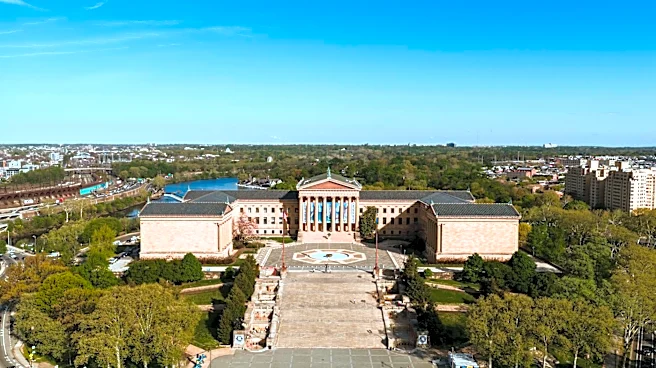
Filming took place on location in Philadelphia and New York City, with principal photography spanning from December 1982 to March 1983. The production faced challenges, including cold weather and the need to film in busy urban environments. Despite these obstacles, the cast and crew managed to create a film that was both visually appealing and true to its comedic roots.
Music and Final Touches
The film's score, composed by Elmer Bernstein, incorporated classical music elements, including Mozart's The Marriage of Figaro. This choice added a layer of sophistication to the film, complementing its themes of social class and economic disparity.
Trading Places was released to critical acclaim, with audiences praising its humor and the performances of its cast. The film's success at the box office further solidified its status as a comedy classic.
In conclusion, the making of Trading Places was a collaborative effort that brought together talented individuals from various backgrounds. The film's production journey is a testament to the creativity and dedication of those involved, resulting in a timeless piece of cinema that continues to entertain audiences today.