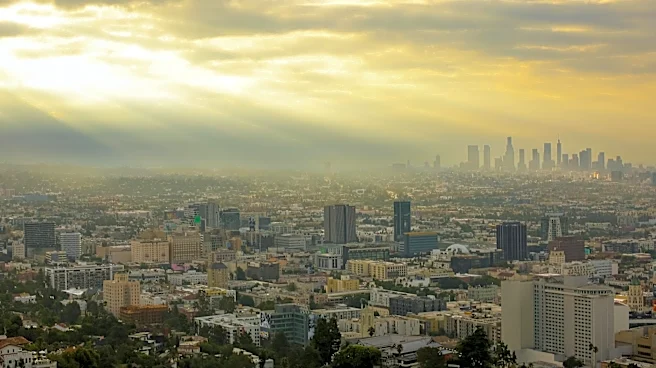





Since its opening in 1935, Griffith Observatory has been a cornerstone of public astronomy in Los Angeles, California. Located in Griffith Park, the observatory offers breathtaking views of the city and serves as a gateway to the stars for millions of visitors. This article delves into the observatory's role in public education and its impact on the field of astronomy.
Making Astronomy Accessible
Griffith Observatory was founded with the mission of making astronomy accessible
to the public. Its benefactor, Griffith J. Griffith, envisioned a place where people could learn about the universe without the barriers that typically restricted access to scientific knowledge. In accordance with his will, admission to the observatory has been free since its inception, allowing people from all walks of life to explore the wonders of space.
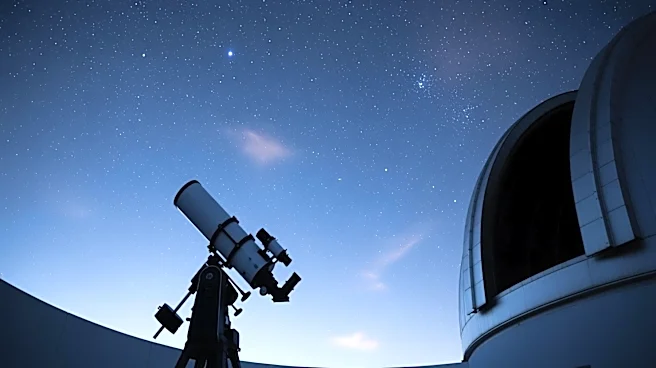
The observatory features an extensive array of space and science-related displays, including the famous 12-inch Zeiss refracting telescope, which has been viewed by over 9 million people. This telescope is one of the most viewed in the world, providing visitors with a direct connection to the cosmos.
Educational Programs and Exhibits
Education is at the heart of Griffith Observatory's mission. The observatory offers a variety of programs and exhibits designed to engage and inform the public about astronomy and related sciences. The planetarium, a key feature of the observatory, hosts shows that cover topics such as the Moon, the Solar System, and eclipses. These programs are designed to be both educational and entertaining, making complex scientific concepts accessible to a broad audience.
The observatory's exhibits are divided into several sections, each focusing on different aspects of astronomy. From the Wilder Hall of the Eye, which explores the evolution of telescopes, to the Ahmanson Hall of the Sky, which focuses on celestial objects like the Sun and Moon, visitors can immerse themselves in the science of the universe.
A Legacy of Public Engagement
Griffith Observatory's commitment to public engagement extends beyond its exhibits and programs. The observatory has been a site for significant events, such as live coverage of the Phoenix landing on Mars in 2008. It also offers free public telescope viewing every night, weather permitting, allowing visitors to experience the night sky firsthand.
Under the leadership of Ed Krupp, who has been the director since 1974, the observatory has continued to evolve and adapt to the changing landscape of public science education. Krupp's dedication to updating technology and exhibits has ensured that Griffith Observatory remains a relevant and vital resource for astronomy enthusiasts and the general public alike.