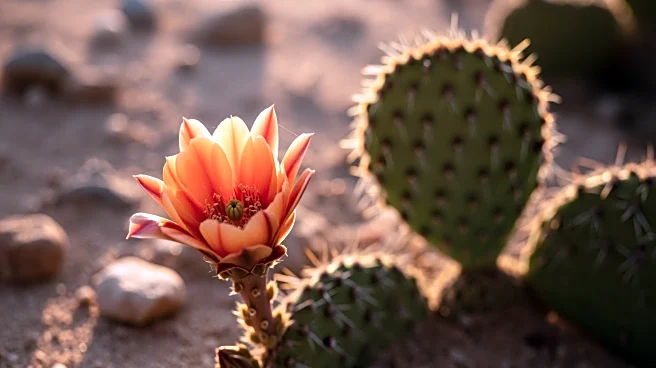




The Colorado Desert, part of the larger Sonoran Desert, is a unique ecosystem that supports a wide variety of plant and animal life. Despite its arid conditions, the desert is home to numerous species that have adapted to survive in this harsh environment. From hardy perennials to elusive wildlife, the Colorado Desert offers a fascinating glimpse into the resilience of nature.
Diverse Plant Life in a Harsh Climate
The Colorado Desert's plant life is remarkably diverse, with a range of
species adapted to its dry conditions. The desert's terrestrial habitats include creosote bush scrub, mixed scrub with yucca and cholla cactus, and desert saltbush. These plants are well-suited to the arid environment, with adaptations that allow them to conserve water and withstand high temperatures.
Higher elevations in the desert are dominated by pinyon pine and California juniper, with areas of manzanita and Coulter pine. More than half of the desert's plant species are herbaceous annuals, which thrive following winter rains. In the southern part of the region, summer rainfall supports the growth of smoketree, ironwood, and palo verde trees, adding to the desert's botanical diversity.
The Wildlife of the Colorado Desert
The Colorado Desert is home to a variety of wildlife, each species uniquely adapted to the desert environment. Common animals include mule deer, bobcats, desert kangaroo rats, and black-tailed jackrabbits. The desert is also home to several sensitive species, such as the flat-tailed horned lizard, Coachella Valley fringe-toed lizard, and desert tortoise.
Birdlife in the desert includes Gambel's quail and the prairie falcon, while the red-diamond rattlesnake is a notable reptile inhabitant. The best places to observe wildlife are the wetland refuges along the Colorado River, such as the Cibola National Wildlife Refuge and the Imperial National Wildlife Refuge.
The Importance of Aquatic Habitats
In the arid environment of the Colorado Desert, aquatic and wetland habitats are limited but critically important. Seasonal rains and groundwater springs create desert arroyos, freshwater marshes, and desert washes. These habitats support a range of species, including the arroyo toad, desert pupfish, and southwestern willow flycatcher.
Desert fan palm oases are rare ecological communities found only in the Colorado Desert. These oases occur where permanent water sources are available, such as springs or fault lines. The only palm native to California, the desert fan palm, grows in these oases, providing a unique habitat for various species.
The Colorado Desert's flora and fauna demonstrate the incredible adaptability of life in one of the harshest environments on Earth. The region's biodiversity is a testament to the resilience of nature and the intricate balance of ecosystems.