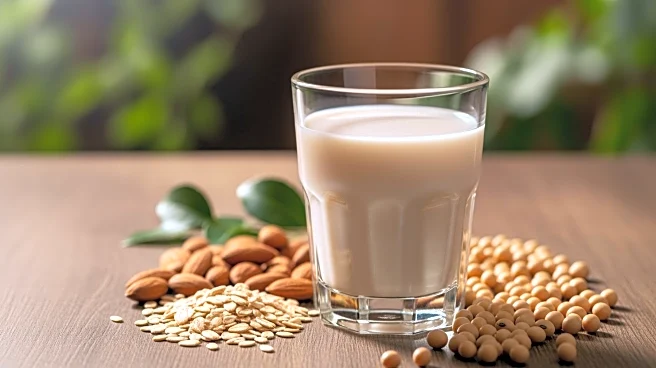




Plant milk has emerged as a popular alternative to traditional dairy milk, offering a variety of options for those seeking non-dairy beverages. Made from nuts, grains, and seeds, plant milk caters to diverse dietary needs, including vegan and lactose-intolerant diets. This article explores the development and growing popularity of plant milk, highlighting its environmental benefits and the variety of options available.
Development of Plant Milk
The concept of plant milk is
not entirely new, with some varieties having historical roots. Soy milk, for instance, originated in China and became a common beverage in Europe and North America in the latter half of the 20th century. It was initially developed as an intermediate product in tofu manufacturing. As production techniques improved, soy milk began to resemble dairy milk more closely in taste and consistency, making it a viable alternative for those with dietary restrictions.
Oat milk, on the other hand, is a relatively recent addition to the plant milk family. Developed in the 1990s by Swedish scientist Rickard Öste, oat milk quickly gained popularity due to its creamy texture and mild flavor. By 2020, oat milk products expanded to include coffee creamers, yogurt alternatives, and ice cream, further solidifying its place in the market.
Popularity and Market Expansion
The demand for plant milk has surged in recent years, driven by increasing awareness of environmental issues and dietary preferences. In 2019, oat milk sales in the United States reached $29 million, a significant increase from $4.4 million in 2017. By 2020, sales had skyrocketed to $213 million, making oat milk the second most consumed plant milk after almond milk.
This growth is partly attributed to the relatively low environmental impact of oat milk production, which requires less land and water compared to dairy milk. The rise in vegan dietary practices in developed countries has also contributed to the expanding market for plant milk.
Environmental Benefits and Future Prospects
Plant milk offers several environmental benefits over traditional dairy milk. For instance, oat milk production generates lower greenhouse gas emissions and requires significantly less water. This makes it an attractive option for environmentally conscious consumers.
As the market for plant milk continues to grow, manufacturers are exploring new flavors and uses for these products. From coffee shops to grocery stores, plant milk is becoming a staple in many households. With ongoing innovations and increasing consumer demand, the future of plant milk looks promising, offering a sustainable and versatile alternative to dairy milk.