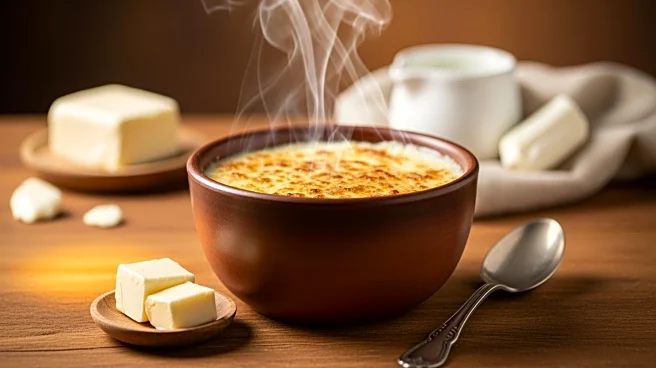

Baked milk is a traditional dairy product that has been cherished in Eastern Europe for centuries. Known for its creamy texture and caramel flavor, baked milk is a staple in the culinary traditions of
Russia, Ukraine, and Belarus. Its preparation involves simmering milk for extended periods, allowing it to develop a rich taste and unique consistency. This article delves into the traditional methods of making baked milk and its cultural significance in Eastern European cuisine.
Traditional Preparation Methods
The preparation of baked milk is a time-honored tradition in Eastern Europe, with roots in rural households. Traditionally, baked milk was made by leaving a jug of boiled milk in an oven for a day or overnight. This method allowed the milk to develop a brown crust as it simmered slowly, undergoing the Maillard reaction. This chemical process between the milk's amino acids and sugars resulted in the formation of melanoidin compounds, giving the milk its creamy color and caramel flavor.
In rural areas, the traditional Russian loghouse, or izba, played a crucial role in the preparation of baked milk. The stove in an izba could sustain varying cooking temperatures based on the placement of the food inside the oven, making it ideal for the slow cooking process required for baked milk. This method of preparation was not only practical but also added to the cultural significance of baked milk as a staple in Eastern European households.
Cultural Significance
Baked milk holds a special place in the culinary traditions of Eastern Europe. It was considered more palatable than boiled milk and was even described in medical literature as potentially more digestible. The simple recipe of leaving milk in an oven overnight was common in 19th-century cookbooks, although more elaborate recipes existed.
Today, baked milk is produced on an industrial scale, making it more accessible to a wider audience. Despite the shift from traditional to industrial methods, baked milk remains a beloved product in Eastern European cuisine. It is not only consumed as a beverage but also used as an ingredient in various baked goods, such as cakes, pies, and cookies, adding a rich, caramel flavor to these treats.
Modern Uses and Health Benefits
In addition to its cultural significance, baked milk is noted for its potential health benefits. Long-term consumption of baked milk may help in resolving milk allergies, although in some cases, acquired tolerance can revert back to an unresolved allergy. This aspect of baked milk adds another layer to its cultural significance, as it is not only a beloved traditional product but also a potential aid in managing dietary restrictions.
In conclusion, baked milk is a traditional dairy delight that has been cherished in Eastern Europe for generations. Its rich history, cultural significance, and versatility in both traditional and modern culinary practices make it a cherished part of the region's heritage.