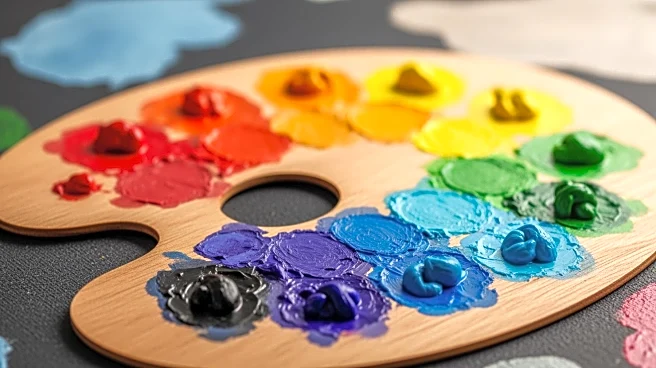

Imagery is a cornerstone of creative writing, providing depth and richness to narratives through the use of vivid sensory language. By engaging the senses, imagery allows writers to create mental images
and evoke emotions in their readers. There are several types of imagery, each corresponding to different senses and experiences, which writers can use to enhance their storytelling.
Visual and Auditory Imagery
Visual imagery is perhaps the most commonly used type of imagery in creative writing. It involves the use of descriptive language to create pictures in the reader's mind, allowing them to visualize scenes, characters, and settings. This type of imagery is essential for setting the stage and providing context for the narrative. By painting a picture with words, writers can transport readers to different worlds and times, making the story more engaging and memorable.
Auditory imagery, on the other hand, pertains to sounds, noises, music, or the sense of hearing. This type of imagery can bring a story to life by allowing readers to hear the world of the narrative. Whether it's the sound of rain tapping on a window or the distant hum of traffic, auditory imagery can create a more immersive experience, adding another layer of realism to the story.
Olfactory and Gustatory Imagery
Olfactory imagery involves the sense of smell, using descriptive language to evoke odors, aromas, and scents. This type of imagery can be particularly powerful, as smells are closely linked to memory and emotion. By incorporating olfactory details, writers can evoke strong emotional responses and create a more immersive experience for readers.
Gustatory imagery pertains to flavors and the sense of taste. Descriptions of food and drink can add richness to a narrative, allowing readers to savor the world of the story. Whether it's the sweetness of ripe fruit or the bitterness of strong coffee, gustatory imagery can evoke emotions and create a more vivid and engaging reading experience.
Tactile, Kinesthetic, and Organic Imagery
Tactile imagery involves the sense of touch, using descriptive language to convey physical textures and sensations. This type of imagery can create a more tangible experience for readers, allowing them to feel the world of the narrative. Whether it's the softness of a velvet dress or the roughness of a stone wall, tactile imagery can add depth and realism to a story.
Kinesthetic imagery pertains to movements, conveying action and energy in a narrative. Descriptions of a character running, jumping, or dancing can create a sense of motion and excitement, drawing readers into the story. Organic imagery, also known as subjective imagery, relates to personal experiences of a character's body, including emotions and sensations like hunger, thirst, fatigue, and pain. By describing these internal experiences, writers can create a deeper connection between the reader and the characters, making the story more relatable and impactful.
In conclusion, the diverse types of imagery in creative writing provide writers with a rich palette of tools to enhance their storytelling. By engaging the senses, writers can create vivid, immersive narratives that resonate with readers on multiple levels.