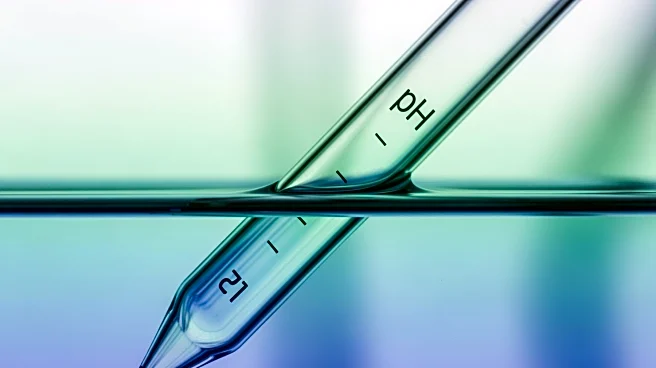




pH plays a crucial role in maintaining the balance and function of biological systems. It affects various processes within living organisms, including enzyme activity, cellular function, and overall homeostasis. The regulation of pH is essential for ensuring proper cellular function, controlled cell growth, and normal physiological processes.
pH and Enzyme Activity
Enzymes are proteins that catalyze biochemical reactions, and their activity is highly dependent on pH levels.
Each enzyme has an optimal pH range where it functions most effectively. Outside this range, enzymes can become inactivated or denatured, leading to disruptions in metabolic processes.
For example, the enzyme pepsin, which aids in digestion, operates best in the acidic environment of the stomach, with a pH around 1.5 to 2. On the other hand, enzymes in the small intestine, such as trypsin, require a more alkaline environment to function optimally. This highlights the importance of maintaining specific pH levels in different parts of the body to support enzyme activity and digestion.
Cellular Function and pH Regulation
Intracellular pH, or pHi, is the measure of acidity or basicity within cells. It is typically lower than extracellular pH due to lower concentrations of bicarbonate ions. The regulation of pHi is crucial for membrane transport and other intracellular processes. Cells adjust their pHi upon changes in acidity or basicity, often using CO2 or bicarbonate sensors in the cell membrane.
Major intracellular buffer systems, such as those involving proteins or phosphates, help maintain stable pHi levels. Proteins can serve as proton donors or acceptors, while phosphate buffers can accept or donate protons to conserve intracellular pH. These mechanisms ensure that cellular processes continue to function properly despite fluctuations in external pH.
pH and Homeostasis
The regulation of pH is vital for maintaining acid-base homeostasis in living organisms. Blood pH, for instance, is usually slightly alkaline, around 7.365, which is essential for physiological functions. Acidosis, characterized by blood pH below 7.35, occurs when there is an excess of acid in the body, leading to potential health issues.
Maintaining proper pH levels is crucial for overall health and well-being. It influences various bodily functions, including respiration, circulation, and digestion. Understanding the role of pH in biological systems helps us appreciate the complexity and precision required to sustain life.